
Fly Fishing Insider Podcast
Upper Delaware trout are difficult because food is constantly available, so they are selective rather than opportunistic. Fishing there demands a downstream presentation to rising fish, a reach cast to remove micro-drag, and enough patience to change flies or lengthen leader after two or three good drifts fail rather than hammering one fish.
Bill Longstreet is a fly fishing guide on New York's Upper Delaware River, who moved into guiding after being laid off from the natural gas industry and spending two years on a portable-toilet route that happened to include the boat launch behind the outfitter he now works for.
Also on Apple Podcasts · Spotify · YouTube
Why are Upper Delaware trout so hard to catch?
The hatches on the Upper Delaware are prolific enough that the trout are never scrounging, so they can be as selective as they want to be. That makes matching the hatch important, but presentation matters more. Anglers not fishing a downstream presentation to rising fish have a problem before the first cast - the fly has to be the first thing the trout sees, ahead of the tippet, with no drag at all, including drag too small to see from the boat.
What is a reach cast and why does it matter on the Upper Delaware?
A reach cast is an aerial mend, not a cast in the usual sense. As the line straightens and the angler first feels the fly line tug, extra line is fed from the line hand while the rod reaches upstream, putting an elbow - roughly an L - into the line before it lands. That built-in slack buys a drag-free drift with no mending after the line hits the water. A wiggle cast, throwing S-curves into a straight downstream presentation, does the same job when casting directly at a fish.
How do you fish a dry-dropper as a nymph rig?
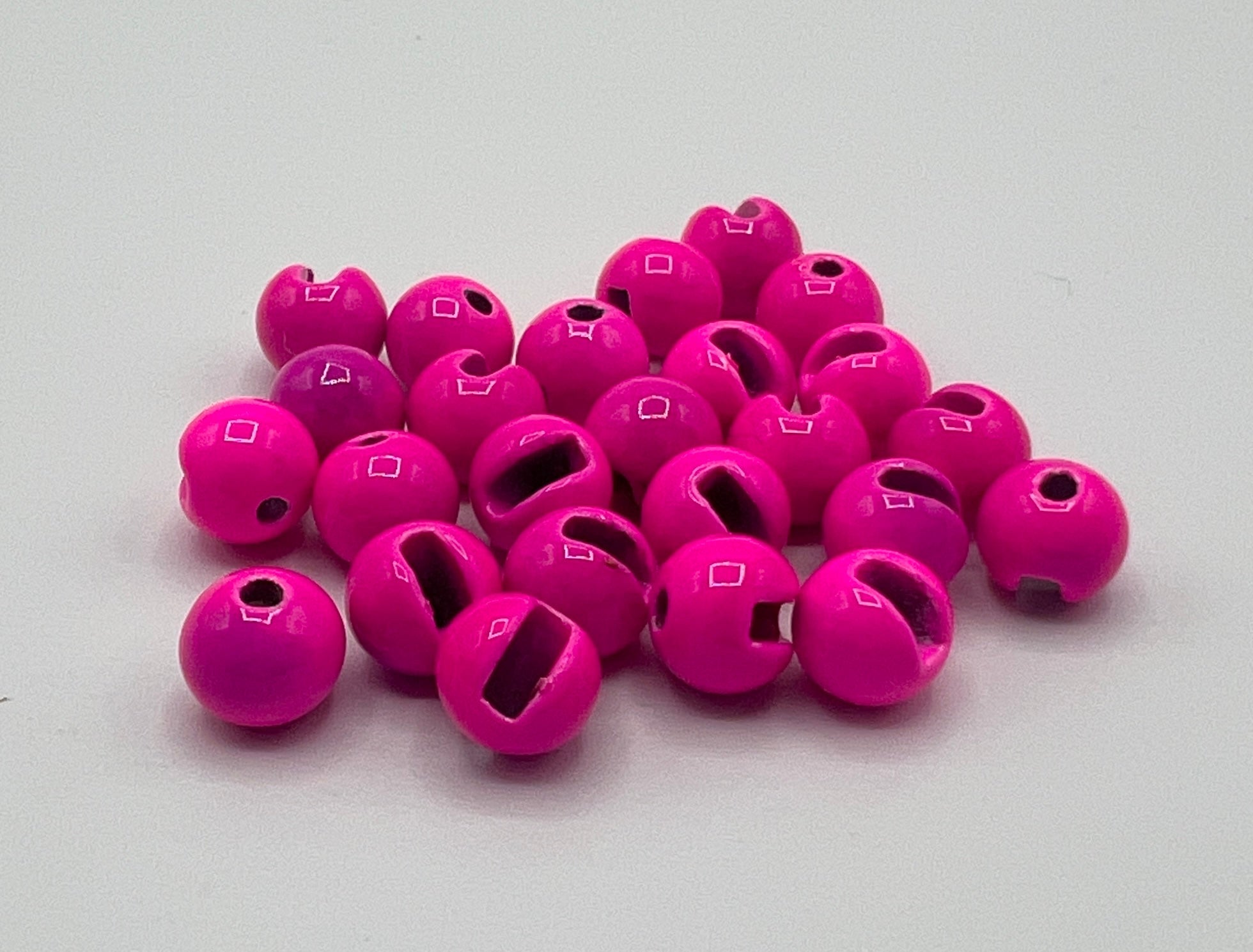
The rig starts with whatever large mayfly is hatching - a bushy or parachute Green Drake, for example - serving as a buoyant indicator a fish can also eat. Two to two and a half feet of tippet, one diameter lighter than the dry, goes underneath, sized to the average depth of the riffle so a snag costs only the nymph. The dropper is a light tungsten-headed jig nymph such as a perdigon or a small Frenchie: heavy enough to reach the bottom quickly, light enough that it will not pull the dry under.
Why fish this dry-dropper upstream instead of down?
The dry fly is functioning as an indicator, so the presentation follows nymphing logic rather than dry fly logic. Cast upstream with only ten or fifteen feet of line out, almost tight-lining the dry, and work the riffle like a grid: five to ten casts fanning from upstream-left to right, then a step or two upstream and repeat. Drifts are short, so the fly is in the air often, but every lane behind every rock gets covered. Most takes come on the nymph, and a fish occasionally comes up and hammers the dry.
Where should a struggling angler fish on the Upper Delaware?
Broken water. There are trout everywhere in the Upper Delaware regardless of where people are standing, and riffles and boulder pockets hide the imperfections in a presentation that flat water exposes. On slow days, guides get out of the drift boat, hold the stern and walk it slowly down through a riffle - anchoring in that current is not possible - picking the water apart under an indicator on the way through. Riffles are also where a newer caster can succeed without long casts and without spooking fish at ten feet.
What do you change when a trout refuses two or three good drifts?
Two or three clean passes over a visible fish is the limit before something changes: the fly, or the leader length. Downsizing comes first, often to the same pattern one or two sizes smaller, because the trout may be reading profile rather than pattern. At the same time, look at what is actually in the water instead of what is in the air - a small seine, or a hat dipped in the current, will show which of three or four simultaneous hatches the fish are working. Some trout will not eat regardless, and moving to a more agreeable one is the right call.
What gear is worth spending money on for technical trout water?
The rod matters less than most anglers assume, and the reel only needs a decent drag, but a good fly line changes casting immediately. Top-end lines run around $100 to $120, which is real sticker shock, and they earn it on a river where false casting spooks fish: a good line can be picked up at 30 to 35 feet, thrown once and put back down. Casting 40 to 45 feet accurately is enough on the Upper Delaware, and five minutes of practice in the yard each day does more for a cast than most anglers expect.
Key takeaways
- Fish the Upper Delaware downstream to rising trout so the fly arrives ahead of the tippet; an upstream presentation puts the leader over them first.
- Learn the reach cast as an aerial mend - feed line and reach upstream as the cast straightens, putting an L in the line before it lands, so no mending is needed afterward.
- Build a dry-dropper with 2 to 2.5 feet of tippet one diameter lighter than the dry, so a bottom snag costs the nymph and not the whole rig.
- Fish that dry-dropper upstream through a riffle with only 10 to 15 feet of line out, covering the water like a grid and stepping up after each fan of casts.
- Use a tuck cast with a high rod stop so the nymph enters the water first and gets to depth immediately - on a 10- to 15-foot drift, that can double the time the fly fishes at the right depth.
- Give a visible trout two or three good drifts, then change fly size or lengthen the leader, and check a seine or your hat for what is actually drifting.