
Fly Fishing Insider Podcast
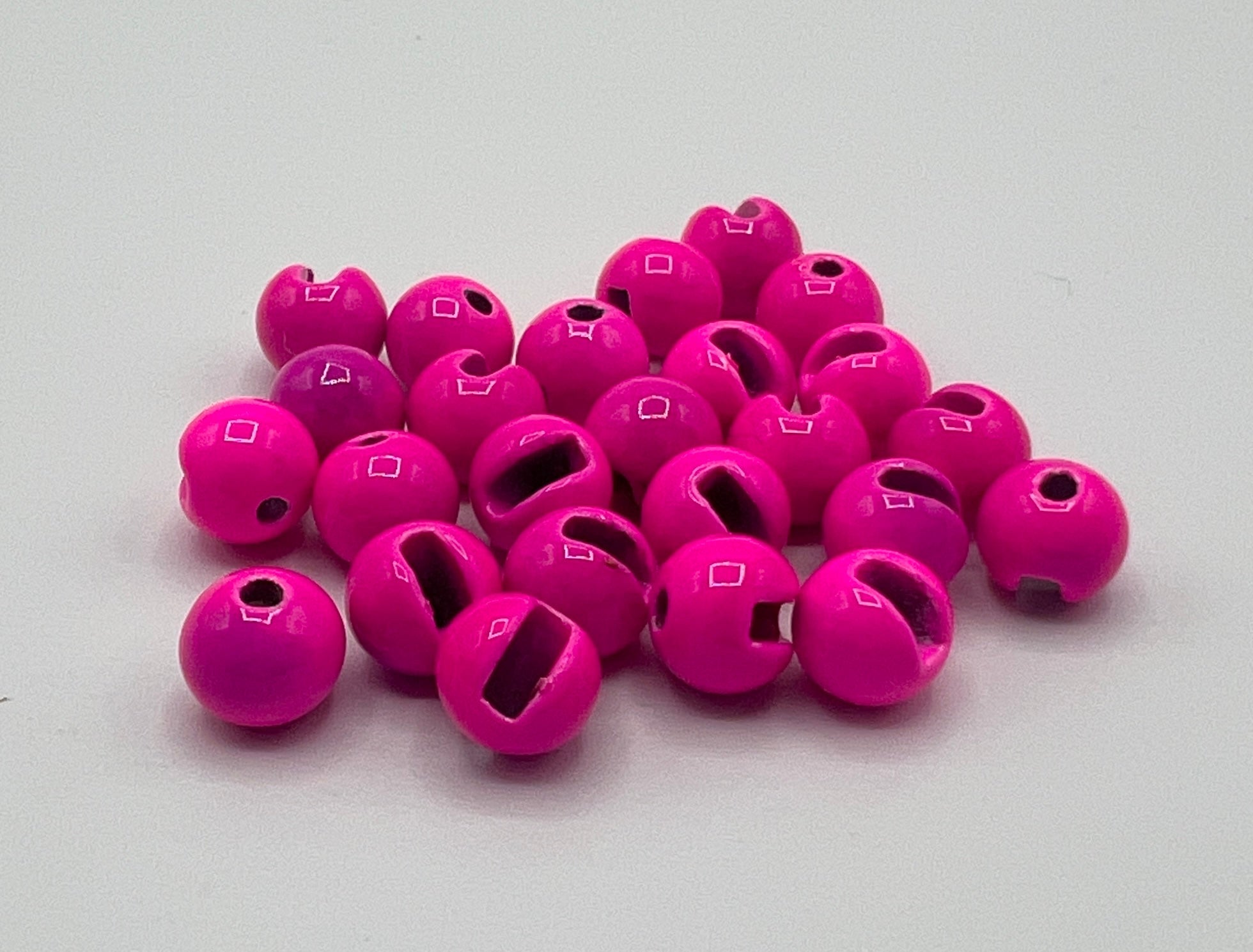
To get a small streamer deeper without retying, carry tungsten cones and beads. Thread one onto the tippet before you tie the fly on and it slides down to the head, making an instant conehead. Or pass the tippet through a bead twice to lock it above the fly, so the weight jigs the fly on the drop.
Also on Apple Podcasts · Spotify · YouTube
Why isn't your small streamer getting down to the fish?
A woolly bugger or small streamer often carries just enough weight to swim but not enough to reach the depth the fish are holding at. Rather than cutting the fly off and switching to a heavier one, the fix is to add weight to the fly you already trust. Keeping a few tungsten cones and beads in a fly box or a boat bag makes that a thirty-second job on the water.
How do you add weight to a woolly bugger without changing flies?
Slide a tungsten cone onto the tippet first, before the fly goes on. Tie the fly on as normal and the cone drops down the tippet and seats against the head of the fly, turning a plain woolly bugger or small streamer into a conehead version of itself. Tungsten is the point here: a cone that size in tungsten sinks far harder than the same cone in brass.
What is the fastest way to tie a clinch knot on a streamer?
The clinch knot gets faster if you stop pinching the tag end with your fingers. Pass the tippet through the eye and leave the loop open, then bend the tag out at about ninety degrees, slip forceps through the loop and take five wraps. Grab the tag end with the forceps, pull it back through the loop, then wet the knot and seat it. Cold hands make almost no difference to the process.
How do you make a tungsten bead stay put on the tippet?
Thread the tippet through a tungsten bead, bring the line back around and pass it through the same bead a second time. The wrap of line around the bead pins it in place anywhere on the tippet, and a third pass locks a bead that still wants to slip. Beads work better than cones for this because the line seats cleanly through the hole from both directions.
Why put the weight above the fly instead of on it?
A locked bead sitting several inches up the tippet lets the weight fall first and pull the fly down behind it on a short length of line. That separation makes the fly jig on the drop instead of sinking flat, which is the action that gets eaten on leech patterns and small baitfish imitations. The bead can also be repositioned mid-day without retying the fly.
When should you use a loop knot on a streamer?
A loop knot gives a streamer, leech or baitfish pattern free movement at the head instead of locking the hook eye to a stiff tippet. Tie it by doubling the tippet over, threading the fly through the loop twice, clearing it and pulling tight. Paired with a bead locked above the fly, the loop knot lets the fly swing and jig on every pause.
What do you need to carry to rig this on the water?
The whole system is a small handful of tungsten cones and tungsten beads kept in the fly box or the boat bag, plus a pair of forceps. Cones are the choice when the weight is meant to sit at the head of the fly, and beads are the choice when the weight needs to lock somewhere up the tippet. Nothing else has to change about the flies already in the box.
Key takeaways
- Carry tungsten cones and beads in the fly box or boat bag so any small streamer can be weighted on the water.
- Pre-thread a cone onto the tippet before tying the fly on and it seats at the head as an instant conehead.
- Pass the tippet through a tungsten bead twice, or three times if it slips, to lock the bead anywhere on the tippet.
- Weight locked above the fly makes the fly jig on the drop, which is the action leech patterns get eaten on.
- Speed up the clinch knot by bending a ninety-degree tag, wrapping five turns, and pulling the tag back through the loop with forceps.
- Attach streamers with a loop knot - double the line, pass the fly through the loop twice, clear it and pull tight.