
Fly Fishing Insider Podcast
South Island sight fishing is hunting, not covering water. You walk slowly, spot individual brown trout by shape, color and the angle they hold to the current, then approach with the sun and your shadow controlled and present a single fly on a sixteen to eighteen foot leader before the fish moves.
Manny Shchukin is a Canadian-born fly fishing guide who moved to the top of New Zealand's South Island in 2019 and now guides visiting anglers with Southern Latitude Guides, working almost entirely in sight fishing situations for large brown trout.
Also on Apple Podcasts · Spotify · YouTube
How do you spot brown trout in gin-clear South Island rivers?
Sight fishing the South Island starts with trained eyes, not gear. Manny Shchukin calls vision a muscle that sharpens every season with good polarized glasses and hours on clear water - he now registers a shape, a color shift or a small movement and locks on before he could explain why. Clients get three cues: shape, color, movement. Angle decides it, because a log or a root does not sit at odds with the current, so a form holding wrong to the flow is a trout; back eddies are the exception. He carries no binoculars but rates height highly, which is why two anglers beat one, and a spotter above should call three separate reference points, since one gray rock is fifty gray rocks from below.
How do you find water worth fishing on the South Island?
Shchukin maps his own water instead of waiting on reports. From his base at the top of the South Island the obvious starting point is the Motueka, a main river system everybody knows, and the tributaries running into it open up blue lines he can work outward from on the map. He fishes a new stretch several times, in different sections, before judging it, because a secondhand report can come from somebody's off day, from an inexperienced angler, or from a season when the trout had moved out. Brown trout shift between main stems and tributaries, so the habit of deciding one river holds fish and the small water beside it does not costs opportunities.
How much river should you cover in a South Island day?
Pace is the visiting angler's most common mistake. Shchukin met a party who had walked seven kilometers of river in a day and landed nothing despite seeing several big fish; that stretch is two or three days of proper fishing, and roughly two kilometers is a day's work. Brown trout sit happily in a foot of water, so he works outward from his own boots rather than scanning the far bank first. Blind fishing compounds the problem: South Island trout are often not where North American water-reading says they should be, so blind casts line fish holding somewhere unexpected. He frames the day as hunting and tells clients one fish is a good day.
How close can you get to a New Zealand brown trout before it spooks?
Before casting, Shchukin runs a short checklist: where the sun sits, where his own shadow falls, what the brown trout can see, and what kind of water the trout is holding in. Water type sets the difficulty. A gin-clear pool demands a genuinely drag-free presentation and holds the hardest fish on the river, while a brown in two feet of moving current is far more forgiving, which is why most photographs come from the second kind of lie. Visitors assume they must stay forty feet back. In practice you can get considerably closer, and closer buys both a better drift and a far better read on how the fish reacts.
What leader setup does New Zealand sight fishing require?
The leader begins with a six-and-a-half or eight-and-a-half foot poly leader looped to the fly line, with UV resin over the loop-to-loop joint pulled tight while it cures so the connection runs streamlined through the guides instead of sitting as two bulky loops. A tippet ring finishes the poly leader, and from there Shchukin steps down ten pound, eight, six, then four, for a total of sixteen to eighteen feet from fly line to fly. In tight bush he cuts the finest sections off and ties the fly to heavier material, but never fishes back to the tippet ring itself. Those steps are joined with a compact fluorocarbon knot rather than a blood knot.
Which rod and flies should you bring to the South Island?
If you bring one rod to the South Island, make it a fast-action six weight; it covers nearly every river and handles both the wind and the long leaders. A five weight suits smaller water and some anglers drop to a four. Shchukin stopped buying shop flies and ties his own, largely because commercial bins carry only a couple of sizes and weights of any pattern, while he wants one stonefly built in several weights for different depths and speeds of water. CDC dries handle most of his surface work because they sit more naturally on the water than the store-bought equivalents he started with.
What happens between spotting the fish and hooking it?
With a brown trout feeding steadily on top, Shchukin starts with a single dry rather than a dry-dropper, because a trailing nymph fouls during the fight and turns a clean take into a mess. For a fish in two feet of moving current, a dry with a dropper is the default. He watches which side the trout is feeding to - browns generally work away from the bank into deeper water - and above all he does not line them. If a cast lands wrong, let it ride out rather than ripping it back. Refusals are information: one more drift if the fish never saw the fly, a size change up or down if it did. These browns also change their minds and drop back several feet to eat.
How does North Island fishing differ from the South Island?
The North Island is primarily a rainbow fishery and the South Island primarily a brown trout fishery, and that difference alone tells you what water to fish, since the two species hold differently. The far north of the North Island holds little; the fishing starts in the central lake country and runs south. Winter pushes thousands of migratory rainbows up those rivers, fished with indicators or Euro nymphing through pools thirteen to fifteen feet deep and deeper, on heavy bomb flies, egg patterns and glo bugs. Shchukin still took fish there on ordinary natural patterns rather than eggs. The North Island also has far more fly shops; on the South Island he buys tying material online.
What should you practice before a New Zealand trip?
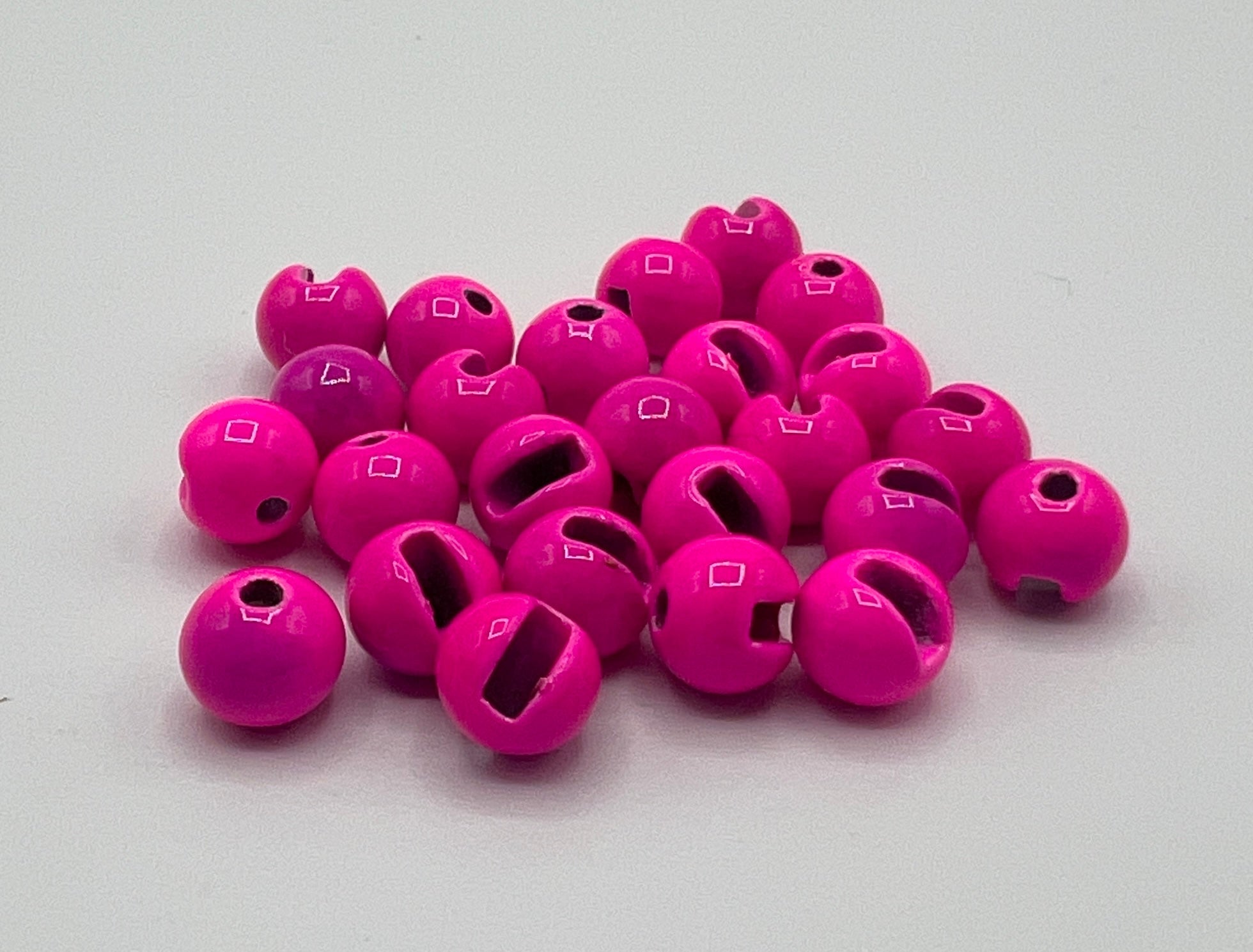
Three things, in Shchukin's order. First, casting - with the actual leader length and the actual flies, meaning a size 16 dry, that same dry with a nymph below it, and a size four stonefly carrying two tungsten beads, which behaves nothing like a practice fly. Second, put money toward a guided day instead of another rod, since guides supply rods and one day compresses years of learning about approach distance and fly selection. Third, buy genuinely good polarized glasses with a low-light lens for overcast South Island days, in the two to three hundred dollar range. A fourth worth adding: walk a river with no rod and practice only finding fish.
Key takeaways
- Treat a South Island day as hunting: roughly two kilometers of river is a full day, and seven kilometers means you are covering water instead of fishing it.
- Spot on shape, color and movement, then judge the angle a shape holds to the current - anything sitting at odds with the flow that is not in an eddy is a fish.
- Build the leader from a 6.5 or 8.5 foot poly leader with a UV-sealed loop-to-loop, a tippet ring, then 10-8-6-4 pound steps for a total of 16 to 18 feet.
- A fast-action six weight is the one-rod answer for the South Island; a five weight covers smaller, calmer water.
- Fish a single dry to a steady surface feeder so a trailing nymph cannot foul during the fight, and save the dry-dropper for faster two-foot water.
- Do not blind fish clear South Island water - you will line brown trout that were not holding where you assumed, and spook the fish you came for.