
Fly Fishing Insider Podcast
Instead of cycling through fly patterns, adjust depth and weight first. Western trout feed on a small number of insect profiles, so a middle-of-the-road size, shape and color covers most situations. Set the indicator deep, add weight until the flies touch bottom on most casts, then remove weight until the rig ticks bottom every other cast.
Ben Gerloff is an Army veteran and a guide of more than 20 years, based in northwest Colorado, who grew up around ranch water and has fished from the South Platte to Argentina.
Also on Apple Podcasts · Spotify · YouTube
Why do you not need to change flies as often as you think?
The argument this guide picked up while teaching beginner classes is that western trout are keying on a small number of primary insect profiles, and a fly only has to match size, shape and color well enough to fit one of them. A middle-of-the-road size in a color that roughly matches the substrate covers most situations, in season or out. The corollary is harder to follow: if you do not have faith in a fly, do not fish it, and if you want to test that faith, cut every other fly off and fish the one.
How much weight should you add to a nymph rig?
The instruction is to fish more weight than feels comfortable. Add weight until the flies find bottom on essentially every cast, then peel weight off until the rig ticks bottom about every other cast. That is the window where the flies are in the feeding column rather than riding above it. An angler who never touches bottom is most likely standing in the water where the fish were holding. The trade is snags, and the guide's position is that more snags and more fish is the better deal.
How do you judge depth on water you have never fished?
The starting move is to wade a section that looks close to the deepest the river gets but holds no obvious structure worth fishing, and gauge the depth there. Most trout water runs somewhere between seven and fourteen feet at its deepest, and the grade of a river rarely changes fast, so a reading in one place carries downstream. This guide prefers a short leader, around seven and a half feet with a foot and a half of tippet, with the indicator set roughly an arm's length below the fly line, which covers most of that range.
Where should you fish first when you walk up to a run?
Fish the water you are about to walk into before you walk into it. The approach means starting shallow and close, working from the bottom of the run upward and outward, and keeping a low profile with the bank and bushes at your back. Where the fish were feeding when you first saw them is the best indication of where they will be on the next bend or riffle at the same depth. During a hatch, expect fish to shift into shallower water to look up as emergers rise.
How do you keep tungsten putty on the leader?
Tungsten putty molds around a split shot rather than replacing the shot outright, and the shot gives the putty something to grip. Place the shot above the tippet ring or knot so nothing slides down onto the fly, encapsulate the shot completely in putty, then dip the whole thing in the river for a few seconds so the putty firms up before the first cast. The other requirement is casting style: roll cast or water load rather than false cast, because false casting a heavily weighted rig throws the flies and weight into each other. Putty peels off and goes back in the container, which makes adjusting weight faster than adding or removing shot.
Why do Euro-style jig nymphs work in a standard indicator rig?
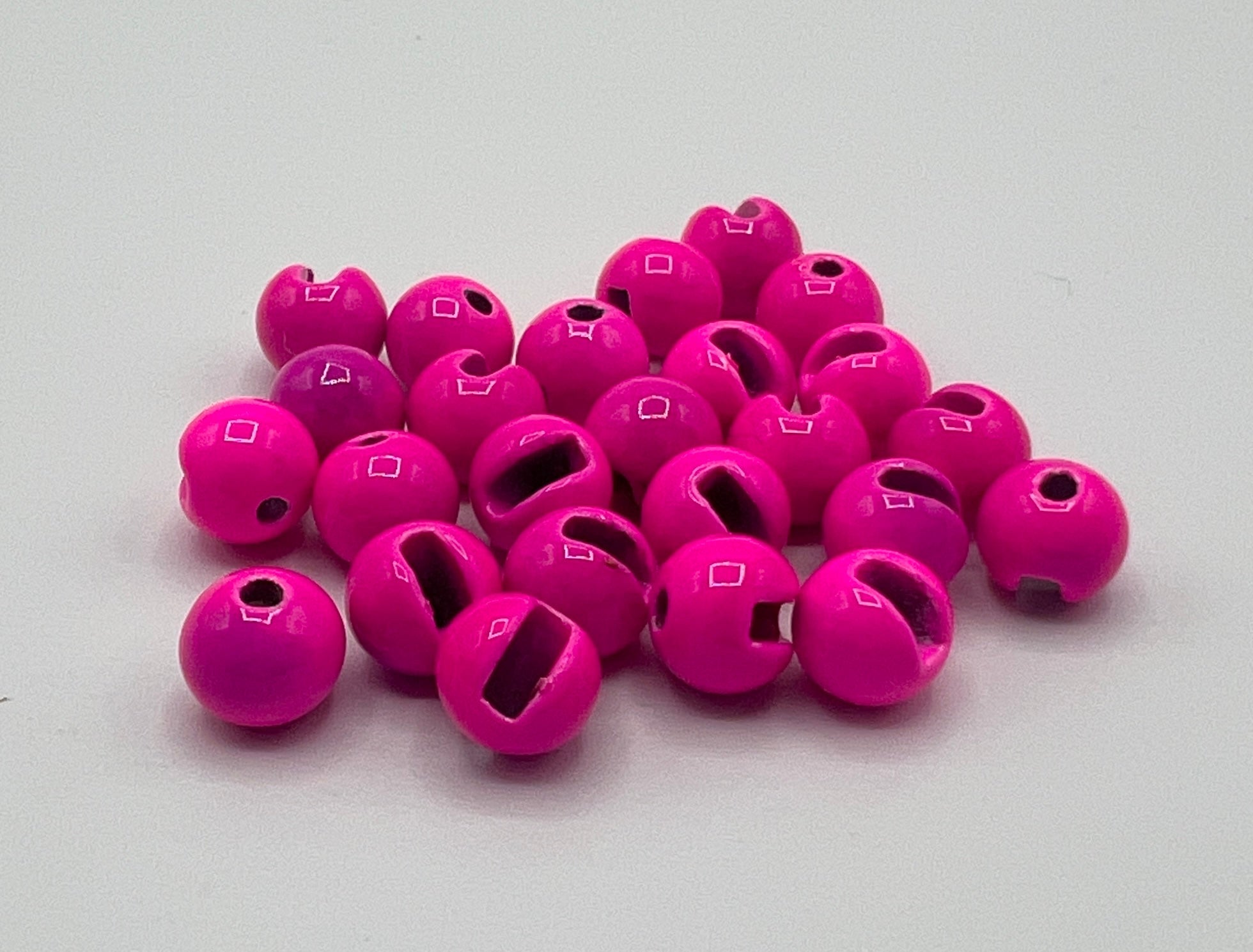
A Euro-style jig nymph rides hook point up, which cuts snags, and is tied sparse and often lacquered so the fly fishes the instant it hits the water. Commercially tied standard nymphs carry enough dubbing that they need to soak and become waterlogged before they sink properly, which wastes the first drifts. A heavy tungsten bead on a sparse jig fly cuts through the current fast enough to reach the feeding column without changing anything else about the rig, and the same fly in two or three sizes covers a lot of water. Running that heavy jig fly as the point fly with small shot trailing below it produces a bounce-style presentation that works the bottom.
How did sensory deprivation help this veteran's recovery?
Eight years in the Army as a paratrooper ended with a jump that broke his back, dislocated both shoulders and tore a labrum after a canopy collapse. Refusing surgery, he worked through dry needling, spine stabilization, mobility work and massage, and eventually joined a military study on sensory deprivation floating. A first 90-minute float in an Epsom salt tank left him feeling like he had completed a full day of therapy, and the state reached in the tank turned out to be more productive for his PTSD than talking with a therapist had been. His closing advice is direct: find someone to open up to, whether that happens on the water or off it.
How does setting an intention change a day of fishing?
Going out with catching fish as the intention is what ends most days early, because patience runs out before skill does. Guiding taught the same lesson from the other side: setting expectations before the trip starts, and steering attention toward the day rather than the fish count, takes the pressure off a client who has not gotten on the board yet. Anglers relax when the conversation starts, and a relaxed angler stops trying to control the drift and starts getting the drift right. Less casting is better casting, since a fly in the air cannot catch a fish.
Key takeaways
- Trout in western water key on a small number of insect profiles, so a single confident pattern in a middle-of-the-road size and color covers most days.
- Add weight until the flies hit bottom every cast, then remove weight until the rig ticks bottom about every other cast.
- Mold tungsten putty around a split shot set above a knot, then dip it in cold water for a few seconds so the putty firms up before casting.
- Roll cast or water load a heavily weighted nymph rig instead of false casting, or the flies and weight collide.
- Use a Euro-style jig nymph as the point fly in a standard indicator rig: the hook rides point up, and the sparse tie fishes the moment it lands.
- Set expectations and an intention before the trip starts, because patience runs out before skill does.