
No, tying your own flies will not save a beginner money in the first year. A working vise and tool kit runs about $214 in the FFIP shop, materials for a beadhead nymph come to roughly $0.50 against about $1.87 to buy the same fly, so you break even somewhere near 163 flies. Tie because you want to tie, not to save.
Every beginner hits this question about four months in, usually right after losing three flies to the same willow branch. If a dozen nymphs costs $25 and a spool of thread costs six bucks, surely tying them yourself is cheaper. It is the most reasonable-sounding wrong idea in fly fishing.
Here is the thing: the math does work eventually, it just does not work the way people expect, and it never works in year one. I want to give you the actual numbers, from live prices in our own shop, so you can decide with a calculator instead of a vibe. Then I want to give you the four real reasons to tie, none of which is money.
Why This Matters: The Money Argument Is the Wrong Argument
Fly tying gets sold to beginners as a savings strategy, and that framing sets people up to quit. They spend a few hundred dollars, tie forty scruffy nymphs, notice they are still buying flies at the shop, and decide they failed at something. They did not fail. They were handed the wrong scoreboard.
Tying flies is a second hobby that happens to overlap with the first one. It has its own gear, its own learning curve and its own rewards, and the rewards are real: flies nobody sells, flies tied for the specific water you fish, and something to do in February. It just is not a discount program, and the sooner a beginner knows that, the more likely they are to stick with it.
What Does It Actually Cost to Start Tying Flies?
The honest entry number is a vise plus a tool kit, and everything else is consumables. These are live prices from the FFIP shop, checked the day this published.
| What you need | What we stock | Price | Notes |
|---|---|---|---|
| Vise | Rotary Vise with table clamp | $144.00 | The pedestal-base version is $220.00 and the base alone is $56.68. A clamp is fine and cheaper if your table has an edge. |
| Core tools | Loon Core Fly Tying Kit | $70.00 | Scissors, all-purpose bobbin, bodkin, whip finisher and hackle plier in a hard travel case. This is the whole tool problem solved in one box. |
| Hooks | Barbless Jig Fly Hook 9230, 25 per pack | $5.49 | Works out to about $0.22 a hook. Sizes 10 through 18 all the same price. |
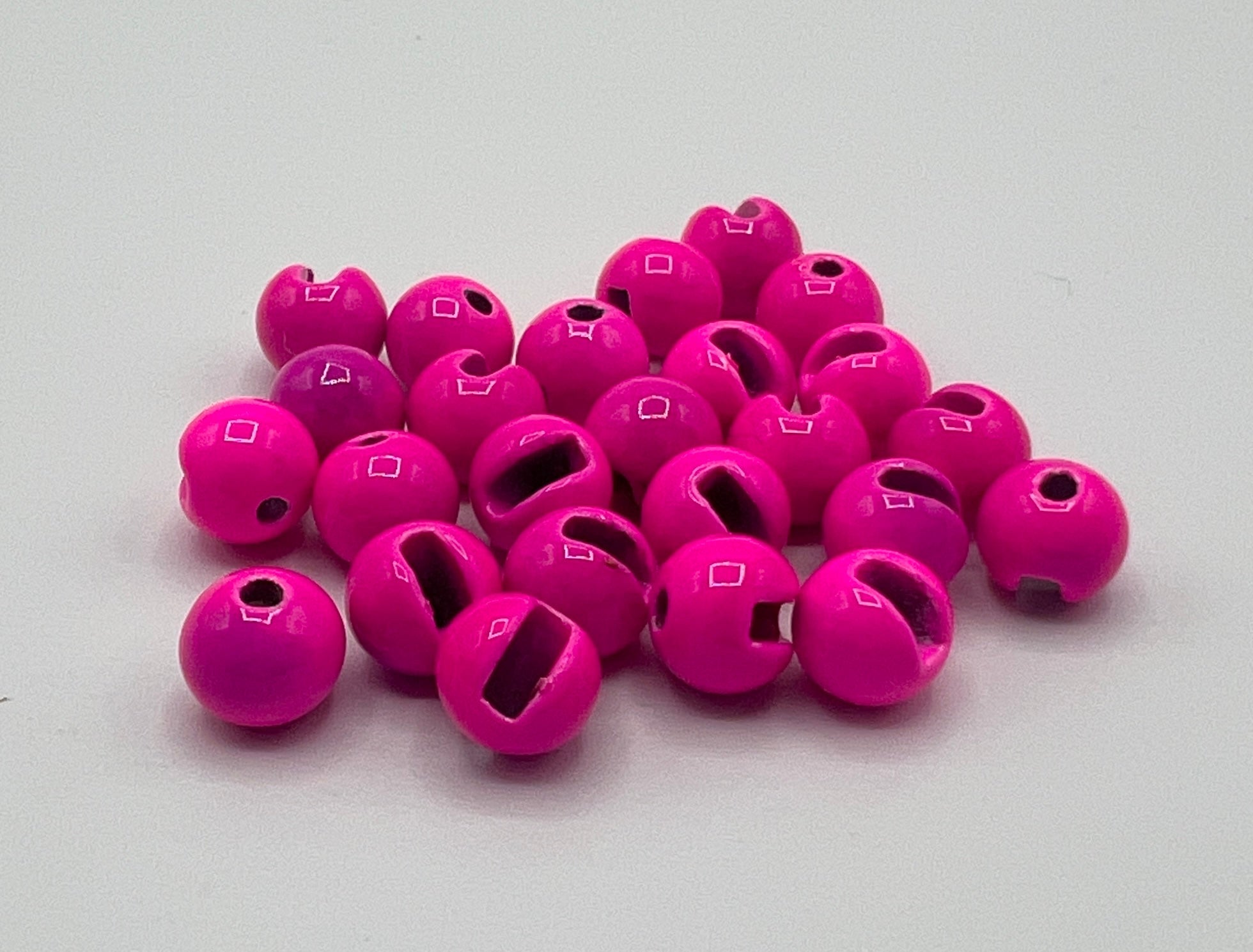
| Beads | Brass Beads, 25 per pack | $3.99 | About $0.16 a bead in 2.0 to 3.2mm; the 4.0 and 4.8mm sizes are $4.49. |
| Thread, dubbing, wire | From the Fly Tying collection | roughly $10 to $20 to start | Dubbing runs about $3.20 a pack and a pack ties dozens of flies. Buy for one or two patterns, not for a catalogue. |
Minimum realistic setup: $223.48 for the vise, the tool kit, a pack of hooks and a pack of beads, plus another $10 to $20 of thread and dubbing for your first pattern. You can spend far more. You genuinely do not have to, and I would rather see a beginner spend $220 and tie two hundred flies than spend $600 and tie twenty.
How Much Does a Single Fly Cost to Tie Versus Buy?
Take the most common beginner pattern there is, a beadhead jig nymph, and price both sides with real numbers.
| Tie it yourself | Cost | Buy it instead | Cost per fly |
|---|---|---|---|
| Jig hook (25-pack at $5.49) | $0.22 | Trout Fly Assortment, 16 flies, $29.95 | $1.87 |
| Brass bead (25-pack at $3.99) | $0.16 | Classic Streamers, 12 flies, $23.95 | $2.00 |
| Thread, dubbing and wire, per fly | about $0.12 | Fly Rod Chronicles Classic Trout Assortment, 12 flies, $33.95 | $2.83 |
| Total materials per fly | about $0.50 | Single saltwater streamer, e.g. a Clouser Deep Minnow | $5.00 |
So you save roughly $1.37 on every trout nymph you tie instead of buying. Divide the $223.48 setup by $1.37 and the break-even lands at about 163 flies. That is the whole answer to the money question, and it is worth sitting with for a second.
Because here is the part the cost comparison hides. At ten minutes a fly, which is optimistic for a beginner, 163 flies is about 27 hours at the vise. If you value your time at anything at all, you did not save money, you bought a hobby. And the numbers get worse before they get better: your first two dozen flies are practice, not inventory. The good news is the curve flips hard on expensive flies. A saltwater streamer that costs $5.00 to buy costs about a dollar in materials, so if you fish big articulated streamers or pike flies you reach break-even three times faster.
The reason to tie is confidence, not cost
Tim Cammisa, the professional fly tyer, author and creator behind the Trout and Feather channel, made a point on his Fly Fishing Insider Podcast episode that I keep coming back to. He described fishing the same water as several other very good anglers, all of them throwing different flies, all of them catching fish. His take was that it comes down to presentation, confidence, and having flies you know will work.
Tim Cammisa is describing the actual return on tying. A fly you built, in the size and color you chose for the water in front of you, gets fished harder and longer than a fly you picked off a shop wall because it looked right. That is worth more than $1.37 a fly.
Tim Cammisa of Trout and Feather on tying, teaching and the patterns he trusts, from the Fly Fishing Insider Podcast.
Your cheapest materials are not at the fly shop
Lance Kittel of Pesca Vida, a custom rod builder and fly tyer, came on the Fly Fishing Insider Podcast to talk about rod building and the creative side of the sport, and buried in it was the single most practical cost tip I have heard. He stocks a good part of his bench from general retailers and craft stores rather than fly shops: chip clips to hold CDC and rabbit strips while he builds a dubbing loop, adhesive-backed craft foam for hoppers, and craft yarn in place of packaged laser dub.
Lance Kittel is not cutting corners, he is buying the same materials without the fly-shop packaging. For a beginner that is the difference between a $20 first pattern and a $6 one, and it is the kind of thing that only comes from somebody who has been at a bench for years.
Lance Kittel of Pesca Vida on custom rod building, illustrating fly patterns and stocking a tying bench on the cheap, from the Fly Fishing Insider Podcast.
Step-by-Step: How to Decide, and How to Start if the Answer Is Yes
- Count what you actually lose in a season.
Go through your fly boxes and honestly estimate how many flies you lose a year. Under about 100 and the money argument is dead, full stop. Over 250, especially if you fish streamers or euro nymph tight to the bottom, and the numbers start working inside two seasons.
- Ask what you cannot buy.
This is the real trigger. A specific size, a local color variation, a hopper with a different foam stack, a jig nymph in size 18 that nobody stocks. If you have ever wanted a fly that does not exist on a shop wall, tying is for you and cost is beside the point.
- Buy a vise and a tool kit, not a starter kit.
Boxed beginner kits usually pair a weak vise with tools you will replace within a year. A decent rotary vise and the Loon Core tool kit is $214 and it is the last tool purchase you make for a long time.
- Pick one pattern and buy materials for only that pattern.
The fastest way to waste money is to buy a materials assortment. Pick a beadhead pheasant tail or a hare's ear jig, buy exactly the hooks, beads, thread and dubbing that pattern needs, and ignore everything else on the wall.
- Tie the same fly twelve times in a row.
Not twelve different flies. The same one, twelve times, in one sitting. Flies three through six teach you thread tension, seven through nine teach you proportion, and by twelve you have something you would actually fish. This is the single highest-leverage hour in fly tying.
- Fish them before you tie anything else.
Take your dozen to the water and use them. Watching your own fly get eaten is the thing that makes the hobby stick, and watching it come apart on the third fish tells you exactly which wrap to fix.
- Add patterns only when the water asks for one.
Let the fishing drive the bench. A new hatch, a new water type or a specific problem is a reason to learn a new pattern. Boredom is not, and it is how benches fill up with materials that never get used.
Common Beginner Mistakes
Buying a boxed beginner kit to save money. The vise is usually the weak point, and a vise that does not hold a hook makes you think you are bad at tying.
Put the money in the vise and buy tools as a set. A rotary vise with a table clamp at $144.00 plus the $70.00 Loon Core kit covers you for years, and there is nothing in it you will outgrow.
Buying materials for twenty patterns before tying one. This is where the money actually disappears, and most of it will still be in the drawer in three years.
One pattern, one shopping list. A single pack of hooks, a single pack of beads, one thread and one dubbing will tie dozens of flies before you need anything else.
Oversizing the bead. A bead that covers the hook eye makes the fly nearly impossible to tie tippet to, and one that crowds the gap costs you hook-ups.
Match bead to hook size before you tie: 2.0mm for size 20 to 22, 2.4mm for 16 to 18, 3.2mm for 12 to 16, 4.0mm for 8 to 10. Check the eye and the gap on the first fly, not the twelfth.
Judging your flies against shop flies at fly number three. Commercial flies are tied by people who have tied that pattern ten thousand times.
Judge them against a trout instead. A slightly scruffy nymph at the right depth outfishes a perfect one drifting over their heads every single day.
Counting only materials when you do the math. It is how people convince themselves they are saving money at hour twenty-five.
Count the hours too. If the honest answer is that you enjoy those hours, tying is a great deal. If it is not, buying flies is the cheaper hobby and there is no shame in it.
Price a fly by your time, not by your materials. Svend Diesel, the Utah fly tier known for elaborate poppers and streamers, works this out honestly: a dozen balanced leeches for himself takes an hour to an hour and a half, but a dozen for somebody else takes closer to two, because he will not send out anything less than perfect, and that is two hours away from his family. That is exactly the line item beginners leave out of the tie-versus-buy math. Svend Diesel lays it out on his Fly Fishing Insider Podcast episode.
Author's Story & Key Insights
I started tying for exactly the wrong reason. I had done the math on a napkin after a bad afternoon in a canyon in Utah where I left six nymphs in the same submerged log, and I decided I was going to beat the fly shop. Two hundred dollars and about nine hours later I had thirty flies that a generous person would call functional, and I was, by any accounting, behind.
What kept me at the bench was something else. I started tying a slightly darker, slightly smaller version of a standard pheasant tail because that is what the bugs looked like on my home water, and it worked better than anything I could buy. My buddy Paul now asks for them by name, which is the closest thing to a review I need. Tying stopped being a savings plan and became a way of paying attention to the water. Our post on how tying changed the way I fly fish goes further into that.
- Break-even on a $223.48 setup is roughly 163 trout flies, or about 27 hours at the vise.
- The math flips much faster on expensive flies: streamers, pike and saltwater patterns pay back in a fraction of the time.
- The real returns are custom patterns, exact sizes and confidence, not savings.
- Buy for one pattern at a time. Materials assortments are where beginner budgets die.
- If you do not enjoy the hours, buying flies is genuinely the cheaper hobby.
Pro Tip from Christian
Before you buy a vise, borrow one for a single evening. Every fly club, every shop tying night, and half the people in your local fishing group will hand you a bench for two hours. Tie six flies on somebody else's setup and you will know within one evening whether this is a hobby you want or a chore you talked yourself into. That evening has saved more beginners $220 than any article ever will.
Terms You'll Hear
Vise. The clamp that holds the hook while you tie. A rotary vise spins the hook on its axis so you can wrap materials evenly and inspect the fly from all sides.
Bobbin. The tool that holds the thread spool and lets you apply steady tension with one hand. Thread tension is the single skill that separates a fly that lasts from one that unravels.
Whip finisher. A small tool that ties off the thread with a locking knot at the head of the fly so the whole thing does not come apart on the first fish.
Bodkin. A needle on a handle, used for picking out dubbing, applying head cement and clearing glue from a hook eye.
Dubbing. Loose fur or synthetic fibers twisted onto the thread to build a fly body. One pack ties dozens of flies, which is why it is a cheap line item.
Jig hook. A hook with an angled eye that rides point-up when a bead is added, so it snags the bottom far less. The standard beginner nymph hook in modern tying.
Head cement. The finish applied to the thread wraps at the head of the fly. Modern UV resins do the same job and cure in seconds under a light.
Recommended Starter Gear
This is the whole entry list, nothing padded. Everything is live in the FFIP fly tying collection and prices were checked the day this published.

Rotary Vise
Two options: $144.00 with a table clamp, $220.00 with a pedestal base. The clamp version is the one I would buy first, because it is cheaper, travels better and holds just as well on any table with an edge. It is not a Regal, and it is not priced like one, but it holds a size 20 hook without slipping, which is the only thing a vise has to do.

Loon Core Fly Tying Kit
Ergo all-purpose scissors, an all-purpose bobbin, a bodkin, a whip finisher and a hackle plier, in a hard travel case. Buying these five separately costs more and takes three orders. This is the box that ends the tool question, and the case means you can tie at camp or at a friend's kitchen table.

Barbless Jig Fly Hook 9230
Round bend, jig eye, chemically sharpened, black nickel, barbless, 25 hooks a pack. That works out to about $0.22 a hook, and the jig eye means the fly rides point-up and hangs up far less on the bottom. Start in size 14 or 16, which covers most trout nymphing anywhere.

Brass Beads
Three colors, six sizes, 25 beads a pack at $3.99 for 2.0 to 3.2mm and $4.49 for the two biggest. About $0.16 a bead. Match the size to the hook before you tie a dozen: 2.4mm for size 16 to 18, 3.2mm for 12 to 16, 4.0mm for 8 to 10.
The honest starter bench
- Rotary Vise with table clamp — $144.00
- Loon Core Fly Tying Kit — $70.00
- Barbless Jig Fly Hook 9230, 25 pack — $5.49
- Brass Beads, 25 pack — $3.99
Total: $223.48, plus $10 to $20 of thread and dubbing from the fly tying collection for your first pattern. Not ready to commit? A fly pattern assortment is still the cheaper answer for most beginners, and our guide to the best fly tying kits for beginners and to starting without wasting money on materials are the next two reads.
So: should beginners tie their own flies? Tie if you want flies nobody sells, if you lose a fortune in streamers, or if the idea of a winter evening at a vise sounds good rather than tedious. Do not tie to save money in year one, because you will not, and finding that out at hour twenty-five is how people quit a hobby they would have loved.
Go on a fly fishing trip you'll never forget
We partnered with Frontiers International Travel to put you on water that's worth the flight. Tell them where you want to go. Don't wait.
Book a TripFly Fishing Insider Podcast has a referral partnership with Frontiers International Travel. If you book after being introduced through us, we may receive compensation at no additional cost to you.
Tight lines, everyone!
Tied your first dozen? Send me a photo of number one and number twelve, because the difference is always the best part. Join the FFIP Insiders for gear deals, trip intel and tactics to help you catch any fish, any time, and anywhere.
Join freeBrowse the episodesTag your first flies on Instagram @flyfishinginsiderpodcast
All prices and pack counts in this post come from live product pages in the FFIP shop, checked on September 24, 2026, and are subject to change; the per-fly and break-even figures are arithmetic on those prices and will move with them. Time estimates at the vise are my own judgment, not a measured figure. Re-check current pricing on each product page before you budget from these numbers.