
Stillwater and Lake Fly Fishing Tips That Change Your Odds
These 22 stillwater and lake fly fishing tips come from Fly Fishing Insider Podcast guests fishing trout, cutthroat and rainbow trout on lakes across Canada and the Rocky Mountain West. They cover reading structure, finding the right depth, rigging chironomids and leeches, and retrieves that turn follows into takes.
Every episode of the Fly Fishing Insider Podcast ends the same way. I ask my guest for one tip — something specific they'd want a listener to actually use, not a broad theory. Over hundreds of episodes that closing question has built a library of tested advice, and this article pulls every stillwater and lake tip out of it.
This one runs 22 tips deep, gathered from episodes recorded between November 2020 and October 2024 — guides, authors, and anglers fishing lakes in British Columbia, Colorado, Nevada's Pyramid Lake, and Utah's own kick-boat crowd, plus one tip on fly design from a muskie angler in Pennsylvania. A couple of tips are my own answer to the closing question, from an episode where I sat on the other side of the mic.
Read it as a reference, not a straight-through article. Jump to the section that matches what's slowing you down on the water.
Jump to a section
Where Do Trout Hold on a Lake You've Never Fished?
TIP 01 · READING WATER
Target drop-offs, points, and shoals with a straight chironomid rig
— Christian Bacasa, founding host of the podcast and stillwater fly fishing angler · Christian Bacasa - Passing of the Torch, S3E123
There are three components to fishing new stillwater: drop-offs, intersecting points, and rocky shoals or structure — target those areas. Most people think fish are in the middle of the lake or that they have to be deep. Actually, more fish are caught in shallow water, cruising the shoals and weeds.
Why it matters. Most anglers new to a lake blind-cast the open middle, exactly where trout aren't. Drop-offs, points, and shoals give trout cover and an easy meal in one spot, so they hold there far more than open water ever does.
How to do it. Look for a shallow shelf dropping into deeper water, a point where structure meets, or a rocky shoal or weed edge. Rig a chironomid on the point, add a small split shot about 12 inches up to a swivel, then run fluorocarbon straight to your indicator — skip the tapered leader. Set the indicator so the fly hangs about a foot off bottom, dial that in with a depth finder, and work the shoals before the middle.
TIP 02 · READING WATER
Target structure, points, and drop-offs on stillwater
— Landon Mayer, Colorado trout guide and author · EP #6 Landon Mayer, "Crushing it every time"
Look for structure, look for intersecting points, and look for drop-offs — if you have one or more of those three, those can be areas where trout find cover and refuge, but where they can also feed.
Why it matters. The same three features that hold trout on one lake hold them on the next one, and the same pattern carries over onto rivers too. It's a simple filter you can run on any stillwater before you tie on a single fly.
How to do it. Scan the shoreline and shallows for weed edges, submerged timber, or rock piles, and look for spots where two types of bottom or depth meet. Use polarized glasses, a depth finder, or a topo map to find drop-offs where shallow water meets deep, and fish that transition instead of blind-casting open water.
TIP 03 · READING WATER
Fish a leech rig into wind-blown rocky banks and start shallow
— Mr. Werbs, stillwater lake angler and photographer known on Instagram as Mr. Werbs · Fly Fishing Insider Podcast
If I can catch a strong wind blowing towards a real rocky structure, some sort of dam or rocky bank, you can almost guarantee fish will be around there eating the baitfish, leeches, and crawdads getting stirred up out of the rocks.
Why it matters. Wind gets ignored by a lot of lake anglers, but it pushes baitfish, leeches, and crawdads out of rocky structure and in front of feeding trout — an edge most people leave on the table.
How to do it. Watch for wind blowing straight into a rocky bank or dam face and set up there first. Fish a leech or balanced baitfish pattern on a stepped-down leader — 18-20 inches of 25-pound Maxima to 18-20 inches of 15-pound, down to a swivel, then three or four feet of 3X where your indicator sits for adjustable depth. Start shallow and work deeper until you tick bottom, and add a hot-colored head during the spring spawn.
TIP 04 · BOATS & ELECTRONICS
Set up your stillwater boat and sounder before you fish
— Brian Chan, stillwater fly fishing expert and educator, British Columbia · Guided EP # 21 Brian Chan on Stillwater's
A depth sounder is critical — not just for knowing depth, but for marking fish, thermoclines, and plankton blooms. It's your eye below the surface.
Why it matters. You can't read a lake the way you read a river — there's no current seam or riffle telling you where the fish are. A sounder replaces your eyes below the surface, and a boat that's actually organized keeps you fishing instead of untangling gear.
How to do it. Double-anchor your boat so it holds steady over the water you're targeting, and carpet the floor and stow gear so lines don't tangle mid-retrieve. Run the sounder before you start casting to mark depth, locate fish, and find the thermocline and plankton blooms, then set your fly and depth to match what it's telling you.
What Depth Should You Fish a Stillwater Lake?
TIP 05 · DEPTH & THERMOCLINE
Use a spoken countdown to find and repeat the strike zone
— Jon Easdo, guide at a Colorado Springs-area fly shop, specializing in stillwater trout · Migrating Your Fly Fishing to Stillwater, S5E211
Think of a stillwater lake as a layer cake. Count three seconds before starting your retrieve, then next cast count six, and keep bumping the count up until you find fish. Say the count out loud to yourself so once you find success you can repeat that exact depth.
Why it matters. Depth on a lake is invisible and it moves — shallower in the morning, deeper as the sun warms the water, tracking the thermocline. Without a repeatable way to find it, a good cast is impossible to repeat.
How to do it. After each cast, count out loud before you start your retrieve. Start short, around three seconds, adding a few seconds each following cast until you connect. Once you get a strike, remember that exact count and repeat it. Re-check it through the day as the water warms, and again whenever you move to a new part of the lake.
TIP 06 · DEPTH & THERMOCLINE
Count down your sink and log which count produces the grab
— John, Utah stillwater kick-boat angler known for the "Crazy Ivan" trolling technique · The Crazy Ivan Technique for Stillwater Fly Fishing, S3E126
I cast out a full cast, then start kicking back and stripping off line so the fly isn't moving at all, it's just sinking, and I'm counting one-hundred, two-hundred, three-hundred. The trick is to remember what count you were at, and on what line, when you got the grab.
Why it matters. A slow day on a lake is usually a depth problem, not a location problem, but you can't tell the difference without tracking your count. Sticking with one retrieve speed all day also leaves fish untested.
How to do it. Make a full cast, then strip in slack so the fly sinks straight down instead of swimming, counting steadily as it falls. Start your retrieve around a count of 15; if nothing happens, extend to 20 or 30 next cast and note which count produced the grab. If the retrieve isn't working, change it — strip faster, add finger twitches, or let the fly sit.
TIP 07 · GEAR & LINES
Rig a versatile 5-weight and fish structure, not open water
— John, Utah stillwater kick-boat angler known for the "Crazy Ivan" trolling technique · The Crazy Ivan Technique for Stillwater Fly Fishing, S3E126
If you're going to fish lakes with a lot of depth variation and only want to buy one line for starters, I'd do a type-3 sinking line — it goes deep enough that you can fish it deep, but you can also fish it short and quick near the surface. Head to where fish are rising rather than leaving fish to find fish.
Why it matters. New stillwater anglers often buy a line by grain weight alone and end up unable to fish both deep and near-surface water. A type-3 sinking line does both, and going to visible fish beats blind-casting open water every time.
How to do it. Set up a 9.5-foot 5-weight with a type-3 full-sinking line as your one all-around lake line. Rig a 9-foot 1X tapered leader to a #14 micro swivel, then 8 to 10-pound fluorocarbon. On arrival, scan for baitfish near shore, bug activity, and rising fish, and go to them instead of waiting. Prioritize weed banks with drop-offs over open water.
TIP 08 · SINKING LINES
Let the sinking line settle, then fish a foam fly above it
— Arlo Townsend, Pyramid Lake and Truckee River guide, Scientific Anglers advisor · Guided EP # 14 Arlo Townsend, guiding life on the Pyramid how to.
I let the line fall all the way down to the bottom and sit in the sand, then fish buoyant flies with no weight — often with foam in them — so they float just above the line lying on the bottom of the lake.
Why it matters. A weighted fly on a sinking line sinks the whole rig into the muck, out of where a cruising trout is actually looking, and a spey rod makes fine depth control harder than it needs to be on a stripping retrieve.
How to do it. Pick a stretch of sandy bottom away from weeds or rock piles where a fully sunk line won't hang up. Cast with a single-handed overhead cast rather than a two-hander — it's more efficient here. Let the sinking line settle to the bottom before you start stripping, and fish an unweighted, foam-bodied fly so it hovers just above the line instead of settling into the sand.
Chironomid Rigs and Leaders Built to Hold Up
TIP 09 · KNOTS & RIGGING
Use a loop knot so the fly moves freely on the pause
— Landon Mayer, Colorado trout guide and author · EP #6 Landon Mayer, "Crushing it every time"
I make sure when the fly is moving in shallow water that I'm connecting it with a loop knot rather than tying directly to the eye. Every time you pause the fly moves awkwardly instead of staying horizontal — it can dip, lift, or twist to the side. That erratic movement is what tells a trout the fly looks injured.
Why it matters. A fly cinched tight to the tippet stays rigid through the retrieve, and a rigid fly reads as dead to a trout. A loop knot lets the fly pivot and twist on its own every pause, and that's the movement that triggers a strike.
How to do it. Tie flies on with a non-slip loop knot instead of a standard clinch knot, especially for streamers fished with a retrieve-and-pause. Build the pause into your cadence — strip, stop, let the fly sink and twist, strip again — rather than stripping continuously. Watch and feel for the take during that pause.
TIP 10 · FLY SELECTION
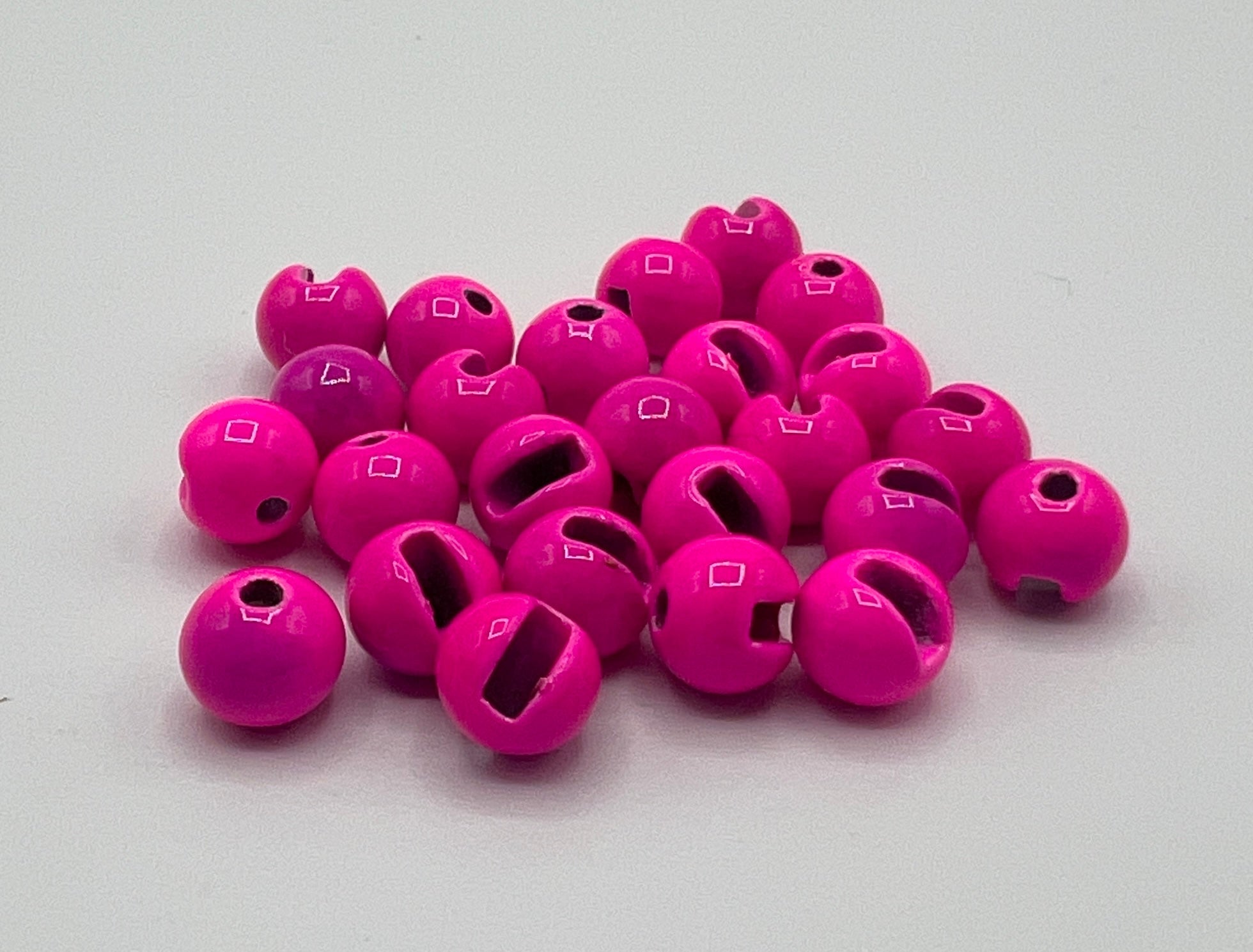
Use tungsten-beaded blobs to hang tight and match zooplankton colors
— Phil Rowley, stillwater fly fishing guide and author based in Kamloops, BC · Episode 110 - Phil Rowley - Stillwater Tactics - Part 1, S3E110
If you fish an unweighted blob you'll wait forever for it to sink, and there's a real risk of the fish taking the fly deeply because you're not tight to it. I use a lot of tungsten beads on my blobs so they hang as tight as possible under an indicator.
Why it matters. An unweighted fly takes so long to sink that it hangs slack under the indicator, and slack means a trout can take the fly deep before you ever feel it. Tungsten fixes both problems at once.
How to do it. Tie or buy blob and chironomid patterns with tungsten beads sized to your leader so they sink fast and hang taut under the indicator. During the late-summer daphnia bloom, carry blobs in bright zooplankton colors — sunburst, prawn, or the classic orange-front, yellow-rear tequila — around size 10 to 12. Fish them static so you stay in direct contact with the fly.
TIP 11 · PRESENTATION
Give a static chironomid a one-foot pull to trigger strikes
— Phil Rowley, stillwater fly fishing guide and author based in Kamloops, BC · Episode 110 - Phil Rowley - Stillwater Tactics - Part 1, S3E110
Sometimes you're fishing a chironomid hanging static under an indicator like everybody else and getting nothing. Give it a pull just to wake it up, and boom, it goes down. It's not about matching the hatch — it's about triggering curiosity, territoriality, or aggression, whatever flips the switch.
Why it matters. A chironomid hanging dead-still can go completely unnoticed even with fish nearby, since nothing about it draws attention. Trout are sight feeders — they need to see the fly move before they'll come look.
How to do it. Fish the chironomid static under an indicator like normal, but every minute or two give the line a slow one-foot pull to lift it and let it settle back down. Don't overdo it — the goal is an occasional rise-and-fall, not constant motion. Watch closest right after the pull and as it settles, since that's when a curious trout is most likely to commit.
TIP 12 · TIPPET & REELS
Match your tippet and drag to the fish in the water
— Katherine and Graeme Mulski, father-daughter stillwater fly fishing duo based in British Columbia, Canada · Adventures of the Father and Daughter Stillwater Fly Fishing Duo, S3E134
If you've got seven, eight, or nine-pound fish in there, you shouldn't be using a six-pound tip — you're going to have some disappointment. Make sure you've got a good reel too, one that has decent drag capacity for the fish you're fishing.
Why it matters. Fishing tippet that's too light for the fish a lake actually holds costs you fish on solid hookups, and a reel without enough drag drags out fights that stress a fish you're planning to release.
How to do it. Find out the typical fish size on a lake before you fish it and choose tippet accordingly — don't fish 6X where the fish run seven to nine pounds. Make sure your reel's drag capacity matches, and let the rod's own action tire the fish rather than fighting it on the reel, so fights stay short and fish go back healthy.
Retrieves and Hooksets That Turn Follows Into Fish
TIP 13 · PRESENTATION
Pivot 90 degrees on your rod tip while trolling
— John, Utah stillwater kick-boat angler known for the "Crazy Ivan" trolling technique · The Crazy Ivan Technique for Stillwater Fly Fishing, S3E126
I'll be trolling in a straight line, keeping my rod tip in the water, and then I suddenly stick the tip down deeper, put my fins down, and do a 90-degree pivot around the rod like it's an axle. Then I come out of the turn and the line starts to tighten up, and it's amazing how often you get a grab right as the line tightens.
Why it matters. Straight, steady trolling rarely triggers a reaction strike from a trout that's tracking the fly without committing. The speed change from a sudden pivot does what a constant retrieve can't.
How to do it. Troll with your rod tip low, then periodically sink it deeper, plant your fins, and pivot your whole body 90 degrees around the rod like it's an axle, which slows and stalls the fly. Be ready as you come out of the turn and the line tightens — that's when most grabs happen. Where a second rod is legal, troll an intermediate line on a fixed holder and run the same sweep to fish two lines at once.
TIP 14 · HOOKSETS
Use a tucked-rod tarpon strip to avoid trout-setting big fish
— John, Utah stillwater kick-boat angler known for the "Crazy Ivan" trolling technique · The Crazy Ivan Technique for Stillwater Fly Fishing, S3E126
Every once in a while I'll do a tarpon strip — tuck the rod under my arm and strip overhand as fast as I can. You almost can't trout-set, that's a huge one. If you trout-set a sensitive fish like our local cutthroat, say good night, it's all done.
Why it matters. Lifting the rod to set the hook yanks the fly away from a striking fish or snaps light tippet on sensitive fish like cutthroat. A strip-set keeps tension without that rod-lift reflex.
How to do it. Tuck the rod handle under your arm so you physically can't lift it, and strip overhand as fast as you can. Any strike gets met with a strip-set instead of a rod-lift, protecting light tippet. If a fish misses the fly, keep stripping — on stillwater, they'll often come back and eat again.
TIP 15 · HOOKSETS
Dangle balanced minnows and set fast for walleye
— Phil Rowley, stillwater fly fishing guide and author based in Kamloops, BC · Episode 111 - Phil Rowley - Stillwater Tactics - Part 2, S3E111
Walleye are very soft-mouthed: the line will just tighten because they inhale the fly rather than attack it like a pike would. They'll hold it, realize it's not what they thought it was, and spit it out, so you have to be really quick on the draw with the hookset.
Why it matters. Walleye eat like nothing else you fish for on the fly — a gentle inhale, not an attack — and they'll spit the fly almost as fast if you don't set immediately.
How to do it. Use a sounder to find walleye holding in 20 to 25 feet of water, then anchor directly over them instead of blind-casting. Fish a simple balanced minnow vertically under an indicator or dangled without one. Watch for the line to just go tight rather than waiting to feel a strike, and set the hook the instant you see that tension.
TIP 16 · STREAMERS
Time your streamer retrieve to cross from shade into light
— A Pennsylvania muskie fly designer · Fly Fishing Insider Podcast
If you bring it through a weed bed and pause it in an open part of the weeds, it shows a full side profile right as it moves from a darker area into a zone with more light penetration. That flash of light and full profile is hard for a predator fish to pass up.
Why it matters. Muskie are ambush predators that respond to a sudden visual trigger, not just motion. Retrieving a fly blindly through cover misses the exact moment that turns a follow into a strike.
How to do it. Plan your retrieve to cross from a shaded, weedy lane into open, light-penetrated water, and pause the fly right at that transition so it shows a full broadside profile. Pick flies with a wide, flat silhouette — a T-bone-style pattern works well — so the light and profile combine on the pause.
TIP 17 · FLY SELECTION
Fish two flies and keep switching until both produce
— Bob Terwilliger, backcountry horseback and mule-supported fly fishing guide · Fly Fishing on Horseback in High Mountain Rivers and Lakes, S5E196
On lakes, I run a streamer up front on a loop knot for action, with a bigger nymph about 16 inches off the back. My objective when I'm using two flies is that I want to be catching fish on both flies — if I'm not, I'm switching, even if it means re-tying the top fly.
Why it matters. One fly only tests one size, color, and depth at a time. Running two different flies together lets you test two ideas on every cast and find what's actually working that day, faster.
How to do it. On lakes, rig a streamer up front on a loop knot for action, with a bigger nymph about 16 inches behind it. Track which fly each fish eats, and if one isn't producing after a fair shot, swap it — even the top fly — until both ends of the rig are earning takes.
TIP 18 · FLY SELECTION
Prioritize silhouette and size over color when picking flies
— Rick Passek, fly tying instructor and YouTube/social media creator known as "The Fly Fish Fanatic" · Is Mexico Worth It? Rivers to Saltwater Fly Fishing, S5E266
I always say use OSSP: Observation, Silhouette, Size, then Color, and then concentrate on presentation. It matters even more in rivers than lakes, because in a lake a fish has time to look at your fly and swim around it.
Why it matters. A trout has to decide fast whether something's food, and silhouette and size register before color does. Get the order right and your fly reads as food before the fish even processes its color.
How to do it. Work through OSSP when picking or tying a fly: Observation of what's around, then Silhouette, then Size, then Color, then Presentation. Favor patterns with movement — marabou, soft hackle, rubber legs — since motion sells a silhouette as alive even when the color isn't exact. It matters even more in a river's faster current than on a lake, where a fish gets more time to look.
Prep Before You Launch: Gear, Flies and Mindset
TIP 19 · GEAR PREP
Pre-rig a separate rod for each stillwater technique
— Katherine and Graeme Mulski, father-daughter stillwater fly fishing duo based in British Columbia, Canada · Adventures of the Father and Daughter Stillwater Fly Fishing Duo, S3E134
Every different discipline — dry fishing, trolling, deep sink fishing, intermediate subsurface — requires a different feel and honestly a different rod. Have them all set up in advance for what you're going to be fishing, and don't decide that in the boat.
Why it matters. Re-rigging on the water eats fishing time and makes switching techniques enough of a hassle that most anglers just stick with one method all day, even when conditions call for something else.
How to do it. Before you launch, set up a separate rod for each technique you expect to use — a floating line with a tapered leader and first dry fly already tied on, a sinking or intermediate line for subsurface work, and an indicator rig for chironomids. Decide leader length, tippet, and even the first fly ahead of time so switching on the water is as simple as picking up a different rod.
TIP 20 · FLY BOX
Pack a small day box instead of your whole fly collection
— Katherine and Graeme Mulski, father-daughter stillwater fly fishing duo based in British Columbia, Canada · Adventures of the Father and Daughter Stillwater Fly Fishing Duo, S3E134
We call it a day fish box. You take from the mothership all the flies you're going to use for that afternoon or day and put them into a small box. In the early days I used to bring five different cases of flies down to the boat, and it takes up room and is nonsense.
Why it matters. Hauling every fly case to the boat wastes space and slows you down finding the right pattern exactly when conditions are changing fast. A curated day box keeps decisions quick.
How to do it. The night before or on the way to the water, go through your full fly collection and pull just what you expect to need for that outing — dries, wets, and streamers for the season and water — into one small box. Leave the rest behind, and refresh the day box trip to trip as conditions or target species change.
TIP 21 · MINDSET
Start new stillwater anglers on easy, forgiving lakes
— Brian Chan, stillwater fly fishing expert and educator, British Columbia · Guided EP # 21 Brian Chan on Stillwater's
I always suggest beginning anglers start off on lakes that are easy to catch fish in, so you learn how to set the hook and watch for the subtle movements your indicator makes when a fish takes. Once you've got that down, progress from those easy lakes to the more challenging ones.
Why it matters. Beginners who start on hard, technical lakes struggle to build the basic feel for a hookset and for reading indicator movement, and that slows the whole learning curve.
How to do it. Pick a lake known for a good catch rate for your first stillwater outings so you get frequent takes to practice on. Watch the indicator closely for the subtle dips and twitches that signal a take, and work on your hookset timing. Once you're reliably reading and hooking fish there, move to more technical water and apply the same skills.
TIP 22 · FLY SELECTION
Carry a leech pattern as your one all-around fly
— Brandon Esposito, Owner, Classic Custom Rods (Calgary-based rod builder) · Episode 04 - Brandon Esposito - Classic Custom Rods, EP 4
I do fish lots of lakes as well, and if I had to toss it up, it would be a leech. It's the most effective — it works year round.
Why it matters. A fly box that tries to match every hatch and condition gets overwhelming fast. A leech pattern stays productive on lakes nearly year-round, so it's a safe default when nothing specific is working.
How to do it. Tie on a basic black or olive leech in a size 8 to 10 when nothing's hatching or when you're fishing stillwater generally. Fish it on an intermediate or sinking line with a slow strip-pause retrieve near drop-offs and structure. Keep a few in the box as a confidence pattern for lake days.
Frequently Asked Questions
What depth should I fish a stillwater lake?
There's no fixed number — depth shifts through the day as the thermocline moves. Fly Fishing Insider Podcast guests count down out loud after the cast, starting around three seconds and adding time each cast until they find fish, then repeat that exact count. A type-3 sinking line covers deep and near-surface water with one spool.
Where should I look for trout on a lake I've never fished?
Guides on the show target three features first: drop-offs, intersecting points, and rocky shoals or weed beds, since trout use them for cover and feeding at once. Wind blowing into a rocky bank or dam face is worth checking too — it stirs up baitfish, leeches, and crawdads. Most fish sit shallower than anglers assume, cruising the shoals rather than open water.
How do I keep a chironomid from getting swallowed before I feel the take?
Tie or buy tungsten-beaded chironomids and blobs. They sink fast and hang taut on the leader under an indicator, keeping you in direct contact with the fly. An unweighted pattern hangs slack instead, which lets a trout take the fly deep before the indicator ever moves.
Should I set the hook by lifting the rod on a lake?
Not on sensitive fish like cutthroat. Fly Fishing Insider Podcast guests recommend a strip-set instead — tuck the rod under your arm so you can't lift it, then set by pulling line. Walleye especially need a fast strip-set, since they inhale a fly gently and spit it out almost as quickly.
Get set up for it
Between countdown retrieves, sinking lines, and rigs built to hold at a foot off bottom, the right fly line changes how many of the tips above you can actually put to use. Use code INSIDER10 for 10% off orders over $50.
Shop NowGo on a fly fishing trip you'll never forget
The water you keep thinking about is bookable. Tell us where you want to go and we'll help you get there. Don't wait.
Book a TripFly Fishing Insider Podcast has a referral partnership with Frontiers International Travel. If you book after being introduced through us, we may receive compensation at no additional cost to you.