
Fly Fishing Insider Podcast
Stillwater fly fishing works in the order depth, retrieve, pattern. Get the fly one to three feet off the bottom, move it dead slow, and only then question the fly. If depth and retrieve are right and nothing eats within ten or fifteen minutes, the fish are not there - move the boat instead of changing patterns.
Phil Rowley is an Alberta-based stillwater specialist who has written four fly fishing books, including a new Orvis guide to stillwater trout fishing, and co-created a stillwater app with Brian Chan.
Also on Apple Podcasts · Spotify · YouTube
What order should you troubleshoot a stillwater day in?
The order is depth, retrieve, pattern, in that priority. The best pattern in the world will not produce if it is not in front of a fish. So the first question is whether the fly is at the right depth, usually near the bottom; the second is whether it is moving at the right pace, generally slow with erratic pauses; and only then does the pattern come under suspicion. If all three are right and nothing happens within ten or fifteen minutes, nobody is home and the answer is to move.
How do you fish the naked long-leader technique?
The naked technique is a floating line and a long leader with no indicator on it, and it is built on four variables working together: the weight of the fly, the speed of the retrieve, the leader length, and the sink time allowed. A 15-foot tapered leader plus five feet of tippet makes a 20-footer, and the taper deliberately slows the sink rate so the fly tracks back through the target zone. That zone is normally one to three feet off the bottom, where the food is and where trout can cruise without worrying about eagles and ospreys.
How do you detect a take with no indicator on the leader?
The tell is the memory squiggle in the fly line lying on the surface. On a calm day, if the retrieve is slow enough, that squiggle stays in the line. If it begins to straighten and the angler is not pulling, something is pulling from the other end, and that is the moment to set the hook. The same squiggle doubles as a retrieve check: a fly moving fast enough to drag the line and create surface wake has already left the presentation behind.
When should you use an indicator instead of a long leader?
In water of about 15 feet or less an indicator earns its place, and in genuinely skinny water it also holds the fly out of trouble. The two things that trip people up on lakes are getting flies to the right depth and keeping them there, and moving them slowly enough - lake food sources do not have rocket packs. An indicator solves both while the angler is still learning. In deeper water the floating line and long leader becomes the more versatile option.
What is dangling and why are the takes so hard?
Dangling means fishing vertically with a fast sinking line - type six or type seven, density compensated - straight down below the rod tip, with the fly suspended about a foot off the bottom. It is normally a 20-foot-plus tactic, though clarity can make it work as shallow as 14 feet. Leaders are short, roughly a three-foot butt of 2X and a final two feet of 3X, with any second fly hung 18 to 36 inches away. Because the angler is holding the rod with no slack, the takes are violent enough to drive a rod tip from just above the surface down behind the angler in under a second.
What is the washing line technique and when do you need it?
The washing line hangs a buoyant fly on the point and suspends the other flies off droppers behind it, like clothes on a line, with the fly line type controlling the depth of the whole rig. It solves a specific problem: an Alberta fall lake with ten feet of water and five feet of weed leaves only five feet of fishable water. A clear intermediate line with a foam or spun-deer-hair boatman or backswimmer on the point keeps everything above the weed through the best water boatman fishing of the year.
Why do trout eat blobs, boobies and fabs?
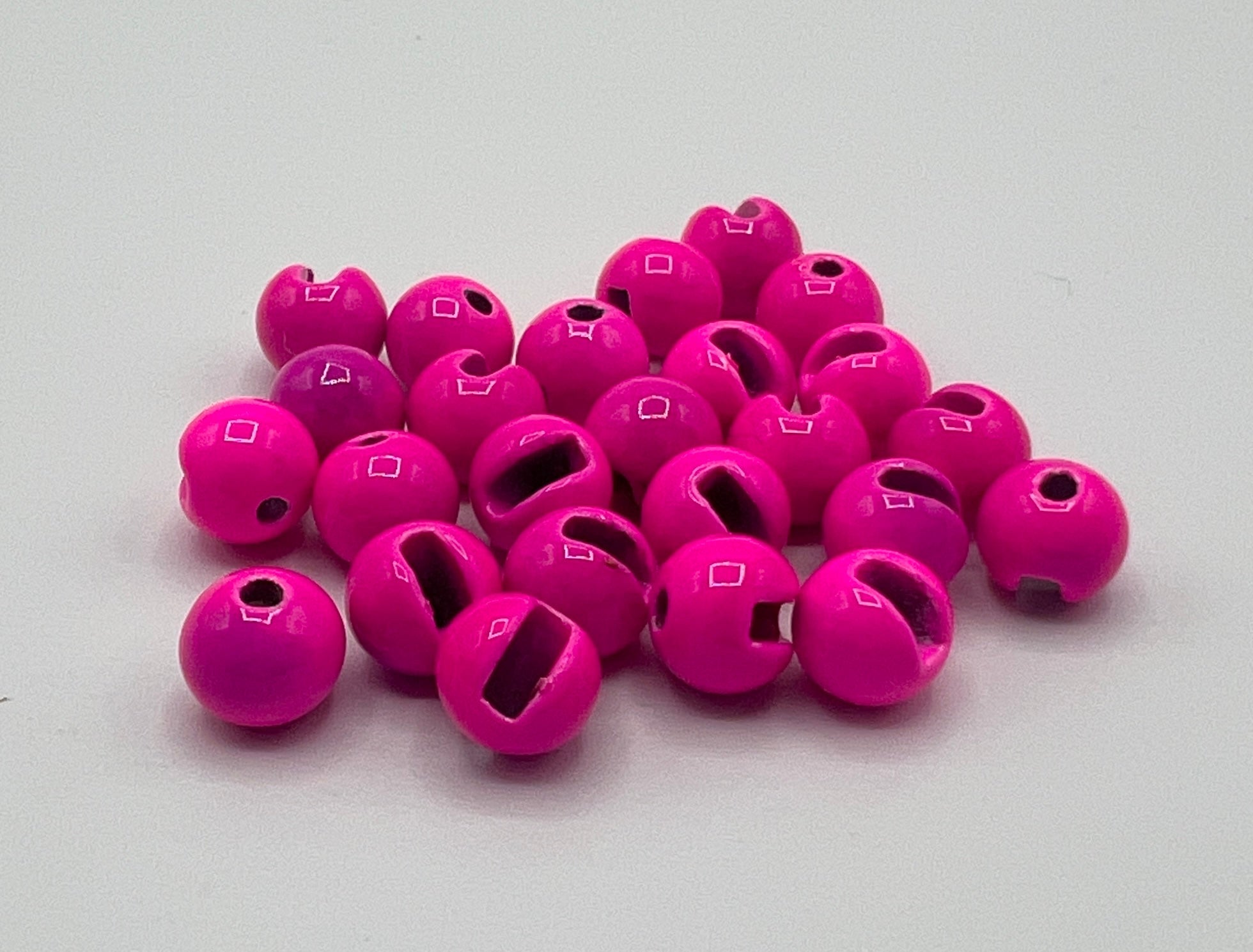
Blobs work imitatively from late summer into early fall, when trout feed on daphnia in deeper water and the fly's color is matched to the color of the zooplankton cluster. Beadhead blobs with tungsten hang tighter on the leader, which keeps the angler connected and stops fish taking the fly deeply. Outside that, attractors trigger curiosity, territoriality or plain aggression rather than feeding. The fab exists because some English fisheries banned buoyant flies with foam in the front, so competition anglers moved the foam to the tail of a blob instead.
Key takeaways
- Work depth, then retrieve, then pattern - and if all three are right with no eats in fifteen minutes, move the boat.
- Build a 20-foot leader from a 15-foot tapered leader plus five feet of tippet; the taper slows the sink rate on purpose.
- Fish one to three feet off the bottom, where the food is and where trout feel safe from birds.
- Watch the memory squiggle in the fly line: if it straightens and you are not retrieving, set the hook.
- Time your sink with a watch - a hover line sinking an inch per second needs about two minutes to reach 15 to 18 feet, and repeating that count repeats the depth that produced.
- Match blob color to the zooplankton trout are feeding on, and use tungsten beads so the fly hangs tight and is not swallowed.