
Fly Fishing Insider Podcast
Connection is what produces strike detection. A piled leader looks tight only because current is dragging it downstream, and an oversized indicator six feet above a size 22 midge never registers the eat. Landing connected and matching indicator size to fly weight turns bites you never noticed into bites you see.
Kaitlen and Jess Westbrook run the Mayfly Project, a nonprofit that mentors children in foster care through fly fishing; Jess founded it and Kaitlen joined after the two worked together at an Alaska lodge.
Also on Apple Podcasts · Spotify · YouTube
What does a Mayfly Project project actually look like?
A project is five outings held inside roughly a six month window, run by a lead mentor with a group of mentors under them at close to a one-to-one ratio with the kids - about twelve mentors for eight children is typical. Children come from group homes or from individual foster families, and the arrangement varies by state and county. The project runs once a year at each location rather than continuously, both to hit the best fishing season and because children move in and out of foster care often enough that a start-to-finish window matters. There are around 65 locations, plus a separate sister organization in the United Kingdom, and five new projects are started each year.
What does it cost to put a child through the Mayfly Project?
The cost per child is $780, which covers the gear the child takes home at the end - their own fly rod, pack and flies - along with mentor gear and insurance. Families and children pay nothing. Donations can be directed to a specific project, so money given by someone in a particular state stays with that state's project. Registration is open to anyone who has been through foster care, including children who have since been adopted, through the interactive map on the organization's site. Returning children often receive waders or a fly tying kit in their second year.
Why does fly fishing work as a coping mechanism for kids in foster care?
The priority is not that the children keep fishing afterward but that they learn fly fishing is somewhere they can go for mental rest. Many are dealing with anxiety and PTSD, and being in foster care is itself stressful. Mentors describe a visible change during a first session: children arrive nervous, and within the casting portion they settle, start trusting the adults around them and feel good about hitting a hula hoop target. Some have never been to a river at all despite living in a town surrounded by famous water.
Why should beginners start tight line nymphing with heavy flies?
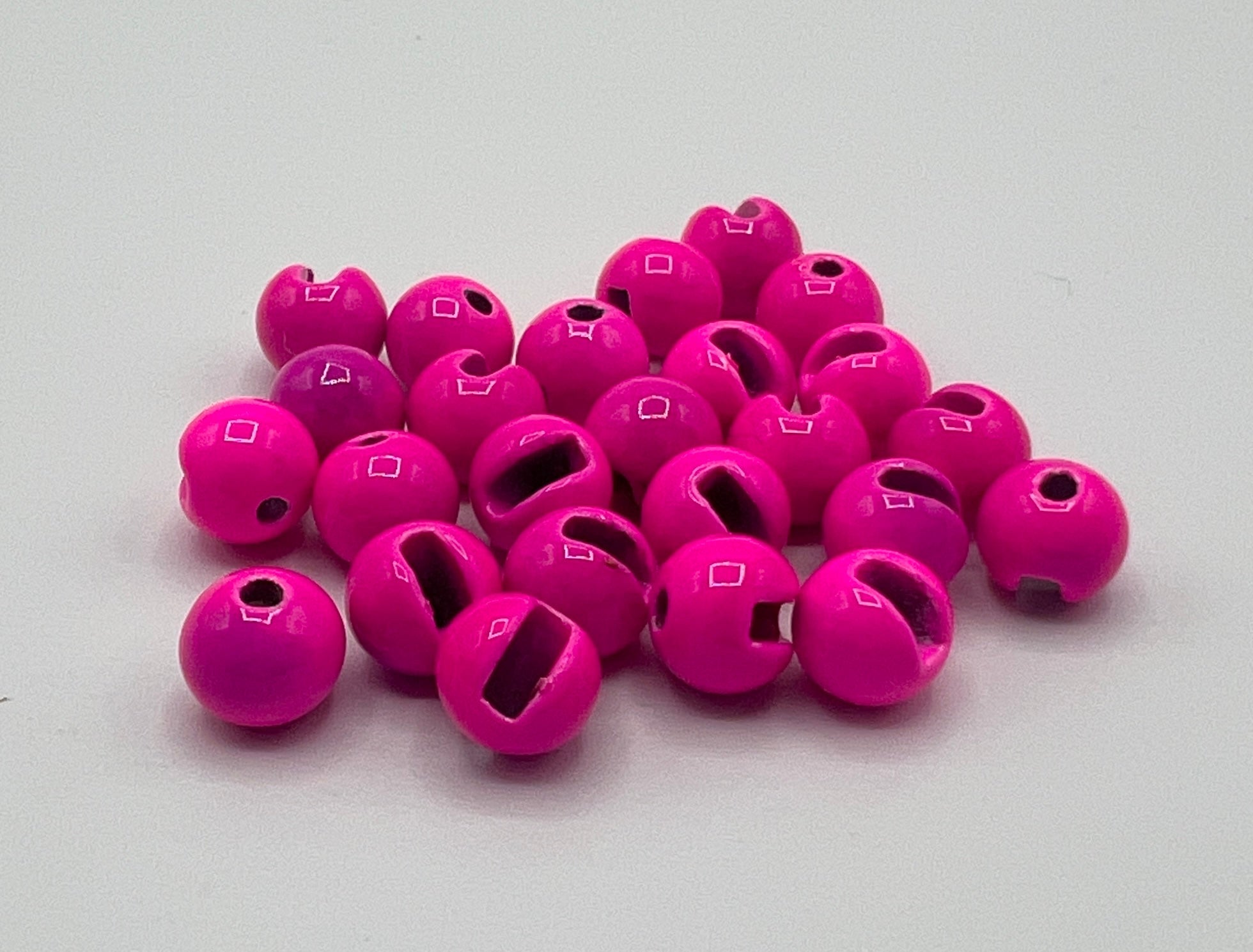
A heavy point fly - a three and a half or four millimeter bead - lets a new angler feel the flies and confirm they are connected, and knowing you are connected is most of the battle. Weight also makes it obvious where the flies sit in the water column. Sizing down to smaller bugs comes later, once an angler can tell they are deep enough without feeling the bottom. The old advice to keep ticking bottom is misleading anyway, since trout frequently feed part way up the column and move sideways to eat rather than dropping down.
What ruins a tight line drift at the entry point?
The common mistake is piling the leader on entry in an attempt to sink the flies faster. The piled line creates a parachute under the surface, the current grabs it and pulls it downstream, and the result looks tight while nothing is actually connected to the flies. The fix is landing connected and lowering the flies into the zone smoothly rather than dropping them. Tippet diameter is part of the same equation, since there is a real difference in how much water grabs 5X versus 7X.
How does indicator size affect strike detection?
An indicator the size of a half dollar sitting six feet above size 22 midges will not move when a trout eats. The bites still happen; the angler simply never sees them. Two adjustments restore the connection: shrinking the indicator to something closer to a dime, or fishing a heavy enough bug - a three and a half to four millimeter bead on an egg or worm pattern - that the indicator stays loaded. Reducing the tippet between indicator and fly does the same job. A soft, low-buoyancy indicator shows a strike with a distinctive vibrating look rather than a clean pull-under.
How long does it take to get good at tight line nymphing?
A longtime national team coach's scale puts progress at roughly one to five on a ten point scale in about three months, five to seven in about a year, and seven to ten across a lifetime in very small increments. The practical accelerators are fishing different rivers rather than the same water repeatedly, fishing with people who are better, and recording sections where the day went badly to review later. Fine tippet is stronger than most anglers assume, and the soft tips built into tight line rods are designed to protect it.
Key takeaways
- Start new tight line anglers on a three and a half to four millimeter bead so they can feel the flies and confirm connection.
- Land the cast connected and lower the flies into the zone; a piled leader feels tight only because current is dragging it.
- Match indicator size to fly weight - a large indicator over small midges hides nearly every eat.
- Shorten the tippet between indicator and fly when strikes are being felt but not seen.
- Fish different rivers rather than repeating the same water if the goal is to improve quickly.
- The Mayfly Project runs five outings per project over about six months, at roughly one mentor per child, and costs $780 per child.