
Fly Fishing Insider Podcast
On the upper Colorado River, depth and presentation matter more than fly pattern. Get nymphs ticking bottom roughly one cast in ten, push a dry dropper to three feet rather than the usual foot and a half, and make sure the nymphs line up with the indicator before changing flies.
Ryan Jarvis is one of three people running Monic Flylines in Boulder, Colorado, the company that patented the first clear fly line in the mid-1990s, and he spent a season float guiding the upper Colorado River.
Also on Apple Podcasts · Spotify · YouTube
How deep should you run an indicator rig on the upper Colorado?
During high water on the upper Colorado, fish stack in deep, slow troughs running five to ten feet, and reaching them means six to seven feet under the indicator. Seven to eight feet is the practical ceiling on the upper Colorado without a slip indicator - past nine or ten feet you cannot reel a hooked fish close enough for a net. Runoff that season peaked around 5,300 CFS, well above the 4,000 CFS mark where most shops call the float a no-go, and that water was fished from a raft rather than a drift boat.
How long should the dropper be on a dry dropper rig?
The twelve-to-eighteen-inch rule most anglers repeat is a small-creek starting point, not a standard. On a river like the upper Colorado a three-foot dropper still fishes a one-foot riffle without constant hangups, and it reaches the three-to-four-foot range where most fish are actually holding. Set dropper length from the average depth you are finding fish, then trade a little of it back for a cast you can actually make all day.
How do you know if your nymphs are deep enough?
Aim to touch bottom about once every ten casts. If ten casts go by with no contact and no fish, the rig is too shallow. If you are catching fish without touching bottom, leave it alone - hooking a fish every other cast beats hitting the correct depth.
What should you change before you change flies?
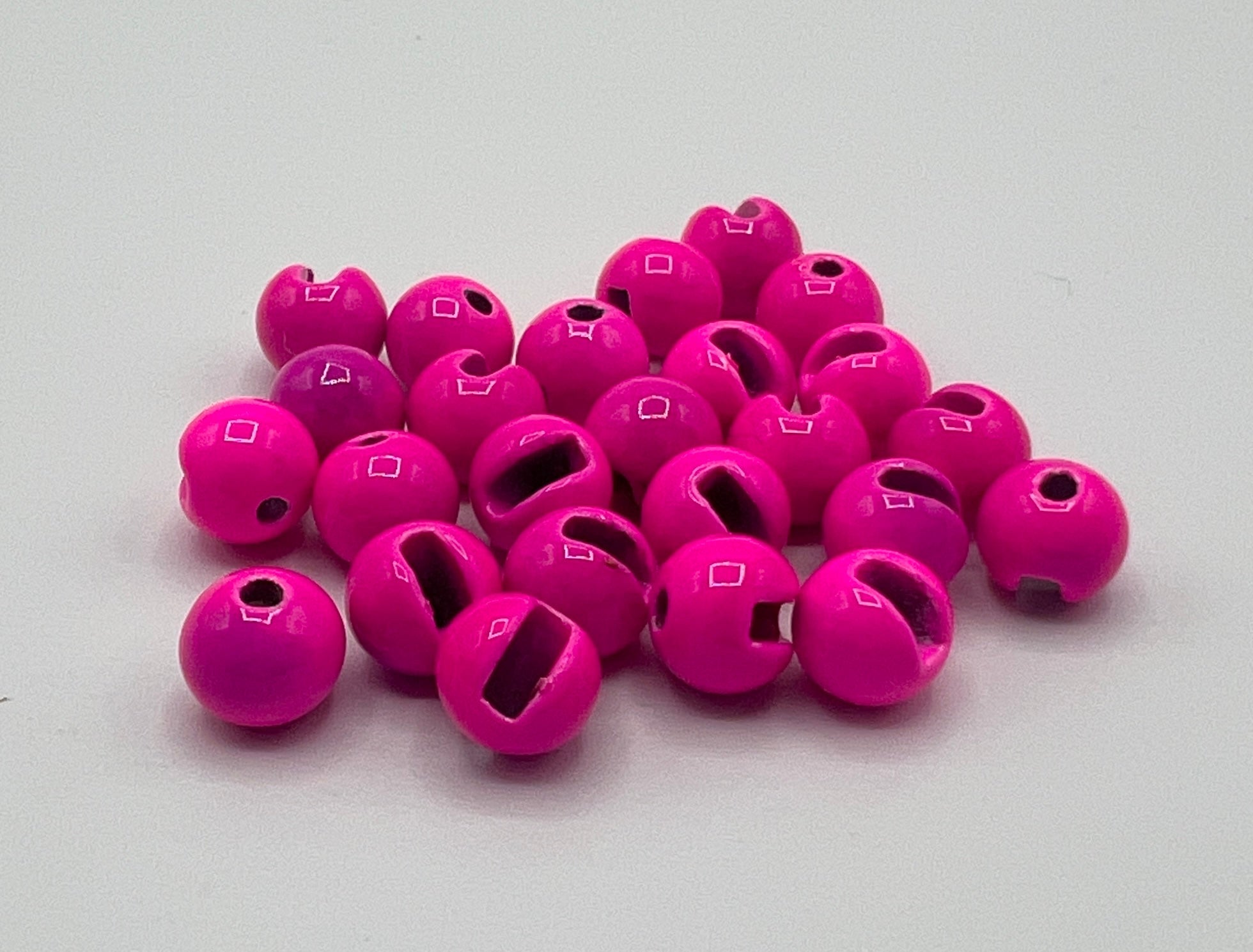
Work through depth first, then weight: lengthen the leader, downsize tippet so it cuts through the current faster, swap a buggy fly for a slim tungsten-beaded one, or go to a bigger foam dry that will support more weight. Split shot on a dry dropper is a last resort because it makes the rig miserable to cast. Only once the flies are in the right column does changing patterns tell you anything.
Why do your nymphs land out of line with your indicator?
Casting straight across or at a forty-five-degree angle drops the nymphs two or three feet farther downstream than the dry fly or indicator, so the rig fishes crooked from the start. Two fixes get them back in line: an over- or underpowered curve cast that hooks the line at the last second, or an aerial mend such as a reach cast, where you set the line's direction before anything touches the water. Most anglers watch only the indicator and never picture where the nymphs are landing or which current seam is grabbing them.
When do you fish weighted versus unweighted nymphs?
Fast pocket water gives a fish a split second to decide, so a tungsten bead that sinks in a hurry is worth the unnatural drift. Long slow runs give a trout time to inspect the fly, and an unweighted nymph drifting naturally through that water fools more of them - even if the eats are subtler. A sacrificial fly setup splits the difference: make one fly heavy enough to drag the rig down and leave the other unweighted so it dangles and moves naturally.
What line and leader work for streamers on the Colorado?
A floating line is the better choice for streamer fishing the Colorado from a boat, because you are mostly working structure along the bank and a sinking line makes a day of repeated casting far harder. The leader is a level piece of fifteen-pound fluorocarbon, lengthened or weighted with a single shot above the fly when more depth is needed. Sinking lines and sinking polyleaders earn their keep on lakes or when fishing deep from the bank instead.
How should you start a streamer retrieve?
The first few feet of a streamer retrieve are the whole thing. Let the fly land hard so nearby fish register something arrived, keep your line hand on the running line as it shoots instead of letting go, and begin the strip as the fly touches down so it is never dead in the water. Pauses go in later, once the fly has already announced itself and can start looking wounded. Working the bank with five to ten strips and then picking up covers far more water than stripping all the way back to the boat.
Key takeaways
- Top out an indicator rig around seven to eight feet - beyond that you cannot land the fish without a slip indicator.
- Run a dry dropper closer to three feet than to the usual twelve to eighteen inches on a river.
- Touch bottom about once every ten casts; if you never touch, go deeper unless fish are already coming.
- Fix crooked nymph drifts with a curve cast or an aerial mend, not with a different fly.
- Fish a floating line and a level fifteen-pound fluorocarbon leader for streamers from a boat.
- Start stripping the instant a streamer lands, keeping the line hand on the running line through the shoot.
Plan your trip: See our Colorado Location Details page for guides, seasons, regulations and tips.