
The Big Hole River holds the last indigenous, entirely river-dwelling Arctic grayling population in the lower 48, and grayling are catch-and-release across the whole river. Below Dickie Bridge the river is open April 1 to September 30, catch-and-release only. Salmonflies come off in June, and nonresidents cannot float the best reaches at weekends.
Most Big Hole content you'll read describes a year-round harvest fishery. That river no longer exists. The regulations changed in the 2020s and the travel writing hasn't caught up, which means anglers turn up in October to closed water and in July expecting to keep fish.
It is still one of the great freestone rivers in North America, and it has a genuinely unique fish in it. But this is a river where reading the regulations is part of reading the water. Let's get into it.
What Is Fly Fishing the Big Hole Actually Like?
The Big Hole is a freestone river, and that single word explains its whole character. It is snowmelt-driven, it blows out in runoff from mid-April to mid-June, it warms dangerously in late summer, and its bug life is built on stoneflies rather than the steady mayfly hatches of a tailwater. If you want a river where the calendar matters, this is it.
Montana Fish, Wildlife & Parks publishes population estimates by section, and they are worth knowing before you book. At Melrose in 2024 the survey found 192 rainbow and 506 brown trout per mile, against long-term averages of 488 and 908. At Hogback it was 263 rainbow and 722 brown, against averages of 473 and 920. FWP biologist Jim Olsen has described current populations as only about half to three-quarters of the long-term average, and FWP's own management target band for Melrose is 1,198 to 1,698 combined trout per mile. The river is below where the agency wants it.
What the Big Hole has that no other river in the lower 48 does is grayling. FWP states it plainly: the Big Hole River grayling population is the last indigenous, entirely fluvial grayling population in the lower 48 states. They occupy at least a hundred miles of mainstem and tributaries, concentrated between Divide and Wisdom, and the entire river is catch-and-release for them.
Planning a trip? Our Fly Fishing Big Hole River guide puts guides, lodges, seasons, tips and gear for the Big Hole River in one place.
Author's Stories & Key Insights
The most useful Big Hole advice I've heard on the show wasn't about the Big Hole. On the Fly Fishing Insider Podcast episode on Twin Bridges, our guest, who works for two rod and reel companies based in that town, laid out the local's drought hedge: in a weak-snowpack year the Big Hole closes early, and the correct response is not to cancel but to shift. The Beaverhead is a reservoir-fed tailwater that fishes well into August. The area's spring creeks are aquifer-fed and hold their temperature regardless of snowpack. He framed the Big Hole's early closure approvingly, as respecting the resource rather than as a ruined trip.
His second point is the one that should decide your week. He splits the drainage by hatch architecture rather than by name: the Big Hole is the freestone and therefore a stonefly progression (skwala, then salmonfly, then golden stone, then yellow sally, then mayflies). The Beaverhead and the spring creeks are the mayfly and PMD fisheries, with far less big-bug action. Choose which of those two systems you want, not which town you sleep in.
On access he was blunt about a gap between law and practice. Montana's stream access law lets you fish anything between the high and low water marks, but most Twin Bridges-area spring creeks run through private ranches, many of which have invested real money in bank and habitat restoration precisely because the fishing has value, and those are booked through outfitters. His advice for a public-access angler is boot miles and mapping apps.
One more, with a caveat attached. He described a fall programme using a twelve-foot five-weight two-hander with a Skagit head and ten to twelve and a half feet of T-8 or T-11, casting head plus tip and five or six strips (thirty to sixty feet), swinging big articulated streamers to browns staging for the spawn, including lake-run fish that hold in soft water like a steelhead would. Worth knowing: on the Big Hole below Dickie Bridge, that water is closed after September 30. Take the technique, apply it somewhere it's legal.
Access Points and Navigation
- Primary airport: Butte (BTM), about a 45-minute drive to Wise River. Big Hole Lodge includes a driver from Butte in its package.
- Alternative airport: Bozeman (BZN). The lodge runs a shuttle for $500 round trip.
- Cell service: gone about forty miles out. Download your directions and your regulations before you leave pavement.
- The named reaches, upstream to down: Wisdom, Mudd Creek, Fishtrap, East Bank BLM, Jerry Creek, Divide, Melrose, Glen, Tony Schoonen. Those names are how every access and float restriction is written.
- Float launches are capped: from the third Saturday in May through Labor Day, all float users are limited to two launches per official access site per day.
Recommended Techniques
- Fish the stonefly progression, in order. Skwala in early April, salmonfly in June, golden stone from mid-June, yellow sally alongside it. This river rewards big-bug anglers.
- Follow the salmonfly hatch upstream. It starts low near Glen and works up toward East Bank, triggered by water temperatures holding around 55°F.
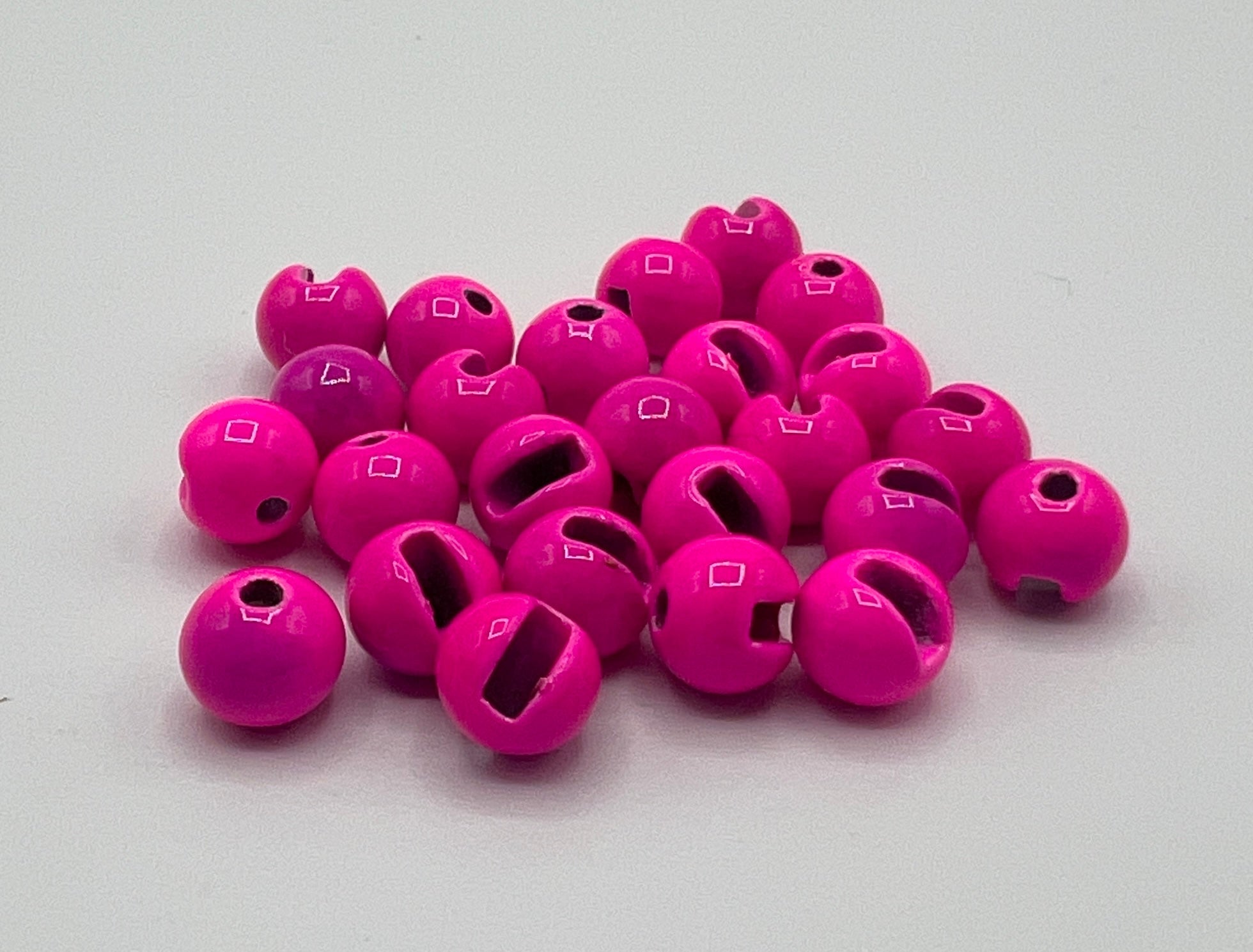
- Run a tungsten stone as your pre-hatch dropper. Before the adults come off, the nymphs are migrating and that is a better bet than the dry.
- Switch to terrestrials from late July. Hoppers and spruce moth above Melrose carry the late summer when the mayflies thin out.
- Check the closure map the morning you drive. Hoot-owl restrictions are imposed mid-season and change without much warning.
Book Butte, not Bozeman, and build your week around mid-June or September rather than July. July on the Big Hole is a coin flip between the best dry-fly fishing of your life and a two-o'clock hoot-owl closure, and the coin gets less fair every year.
Fish Population and Species
Brown and rainbow trout are the practical targets, and browns outnumber rainbows roughly two to one in recent FWP surveys. Mountain whitefish are abundant; the survey once recorded 2,737 per mile in 2012. Westslope cutthroat and brook trout are present, though FWP publishes no mainstem abundance figures for them, so this guide doesn't give any.
Arctic grayling are the fish that make this river singular. The Big Hole holds the last indigenous, entirely fluvial grayling population in the lower 48 states, concentrated between Divide and Wisdom. The population has been in trouble: the Wisdom West section fell to roughly six fish per mile in 2013, down from sixty-three per mile in 1992. The whole river is catch-and-release for grayling, and if you hook one, treat it like the last of something, because it is.
Worth being honest about the trout numbers. Both surveyed sections sit well below FWP's management target band, and the agency attributes current populations to somewhere between half and three-quarters of the long-term average. This is a great river having a hard decade.
When Is the Best Time to Fly Fish the Big Hole?
Mid-June for the stonefly progression, and September for terrestrials in cooler water. April fishes better than most people expect once the skwalas start. July and August are the gamble, because that is when hoot-owl restrictions land.
Runoff runs roughly mid-April to mid-June, so the early-season window is narrow and weather-dependent.
| JAN | FEB | MAR | APR | MAY | JUN | JUL | AUG | SEP | OCT | NOV | DEC | |
|---|---|---|---|---|---|---|---|---|---|---|---|---|
| Skwala | ||||||||||||
| Blue-Winged Olive | ||||||||||||
| Mother's Day Caddis | ||||||||||||
| Salmonfly | ||||||||||||
| Golden Stone | ||||||||||||
| Yellow Sally | ||||||||||||
| Pale Morning Dun | ||||||||||||
| Trico | ||||||||||||
| Terrestrials / Hopper |
Important caveat, stated plainly: no government agency publishes a Big Hole hatch chart. Every date above comes from fly-shop and outfitter sources, and they disagree on salmonfly timing: one puts it in the first two weeks of June, another at June 15 to July 1. Treat the salmonfly row as a two-to-three-week window that moves with water temperature, not a fixed date. October caddis comes off late September into late October but only on the upper river, which is the section still open after September 30.
What Does a Big Hole Fly Fishing Trip Cost?
Big Hole Lodge publishes its full rate card, which is more than most Montana lodges do. Everything below is all-inclusive of lodging, three meals, wine and beer, Butte transfers, guided fishing, flies and tippet, and excludes your Montana licence, gratuities and accommodation tax.
| Line item | Cost |
|---|---|
| Big Hole Lodge, 6 nights / 5 daysShared guide, two anglers. Private guide $8,601 per person. | $6,617 pp |
| Big Hole Lodge, 4 nights / 3 daysShared guide. Private guide $6,456 per person. A 3 night / 2 day option runs $3,772 shared. | $4,966 pp |
| Montana nonresident season fishing licenceFive consecutive days $56; single day $14. Required from age 12. | $100 |
| Nonresident conservation licenceRequired in addition to the fishing licence. | $10 |
| Angler AIS Prevention PassRequired for all anglers. $2 for residents. | $7.50 |
Big Hole Lodge does not publish its season dates; confirm before booking flights. Bozeman transfers are $500 round trip; Butte transfers are included.
Recommended Fly Patterns
Recommended Gear
Where to Stay and Who to Book With
All-inclusive packages starting from $3,772 for three nights, on the Pioneer Mountains Scenic Byway at Wise River. Butte airport transfers are included in the rate. Booked through Frontiers, FFIP's travel partner, at the lodge's own rates.
Plan this tripGo on a fly fishing trip you'll never forget
We partnered with Frontiers Travel to put you on water that's worth the flight. Tell them where you want to go. Don't wait.
Book a TripFly Fishing Insider Podcast has a referral partnership with Frontiers International Travel. If you book after being introduced through us, we may receive compensation at no additional cost to you.
Keep Reading
Check the closure map the morning you drive, carry the grayling regulation in your head, and go in June or September.
Tight lines, everyone!

By Christian Bacasa
Host of the Fly Fishing Insider Podcast
Fly Fishing Insider Podcast Official Website
Instagram Fly Fishing Insider Podcast
Facebook
Pinterest
Watch on YouTube