
Fly Fishing Insider Podcast
On backcountry alpine lakes in the Canadian Rockies, fish hold at inlets, outlets and where rock slides drop structure into the water. A balanced leech on a tungsten bead is the go-to fly, and stripping it in short erratic pulls, rather than suspending it, is what triggers most of the strikes.
Kelly Reaume co-founded Backcountry Skinz with his brother Mike, making neoprene wet wading leggings, and fishes alpine lakes and backcountry rivers out of the Calgary area.
Also on Apple Podcasts · Spotify · YouTube
Where do fish hold on a backcountry alpine lake?
Inlets and outlets are the first place to look on an alpine lake, because that is where food enters and leaves the system. The second is structure the mountain dropped in - a rock slide running into the water, or a jam of logs built up along a bank. On one high lake the cutthroat were finally located stacked in exactly that kind of log structure after the group had worked most of the shoreline.
Why strip a balanced leech instead of suspending it?
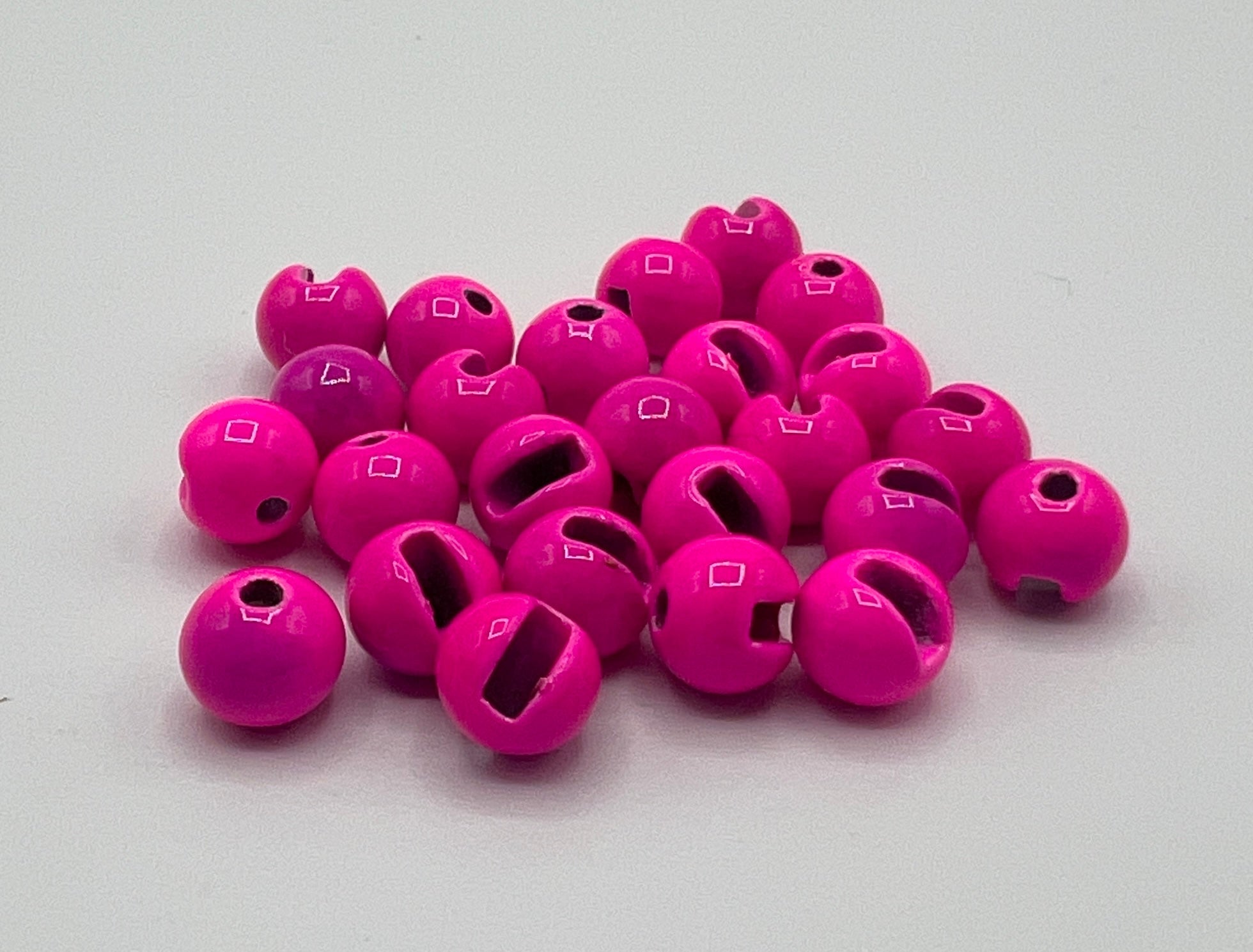
A balanced leech tied with a tungsten bead, often a red one, is the primary alpine lake fly because it gets down fast enough to fish more casts per hour. Rather than hanging it under an indicator, strip it - little erratic ticks, then a quick pull, so the leech looks injured and vulnerable. That retrieve accounted for cast-after-cast fishing on a lake that had been slow on previous visits, and it works under an indicator too if you jig the fly between drifts.
What does a pack raft change about alpine lake fishing?
A pack raft folds into a backpack, inflates at the water and removes the single biggest limit on an alpine lake, which is that hiking the entire shoreline burns the whole day. With a raft you can reach a rock shelf across the lake that has no trail to it, camp, and keep fishing for days. Compared with hauling a paddle board up a mountain, a pack raft feels like carrying air, though it is much thinner material than a whitewater raft or personal pontoon and needs to be treated accordingly.
What do you carry in a pack raft on a backcountry lake?
The load list for a pack raft trip runs to carbon fiber paddles, a submersible dry bag for camera gear, one multi-piece rod short enough to pack, a single fly box, a jet boil, food, and water treatment - tablets or a press-filter bottle. A patch kit for the raft and a satellite messenger are not optional in that terrain. Once at the lake, leave the main pack on the bank and go out with just a rod, a box and a camera, because a full raft gets sore and clumsy fast.
How do you find backcountry lakes worth hiking to?
Published alpine lake guides for the Alberta and British Columbia Rockies function as somebody else's fishing diary: which species are in which lake and what sizes have come out of them. Cross-reference that against stocking program records, since a lake stocked with a species that only lives a set number of years will peak at a predictable point. Then map the route with 3D mapping and trail apps - most of those lakes show up only in hikers' photos, and the people posting them often do not know there are fish in the water.
How do you rig for bull trout in mountain tributaries?
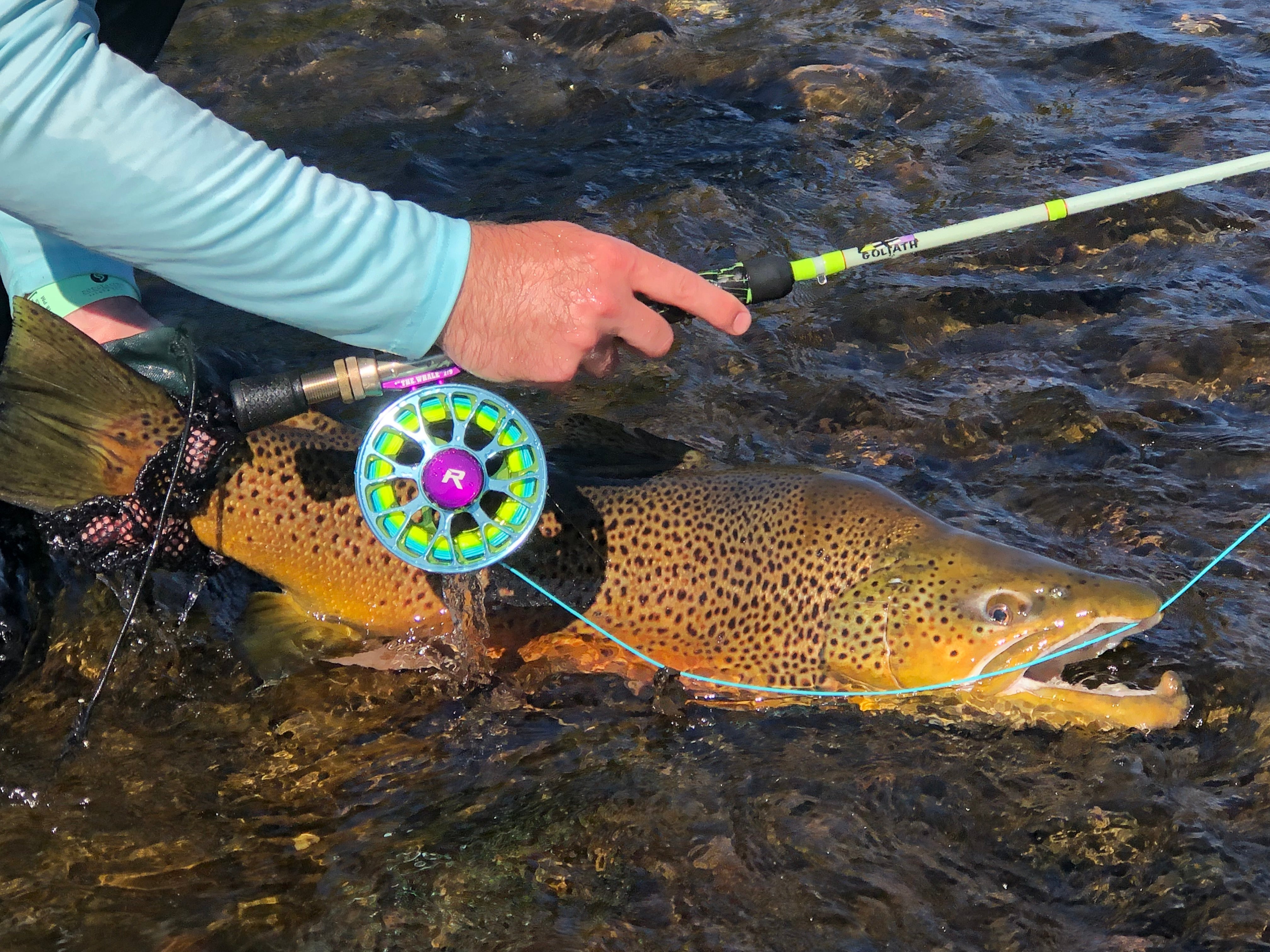
Bull trout fishing starts with the calendar rather than the fly - study when they migrate, how water levels shift the timing, and when they move into tributaries pre-spawn where they are reachable. Two rods cover it: a streamer rod throwing twelve-inch patterns such as oversized white or black Dolly Llamas, articulated game changers, or pike streamers, on a weighted line with added weight if the current is still too fast to reach the strike zone; and a nymph rod with a weighted balanced leech and a pink worm. Nymph the hole first, then run the big streamer through it. Cast the big streamer with a lob, not an overhead stroke, or you will hit and break the rod tip.
How do you film a fishing trip and still fish?
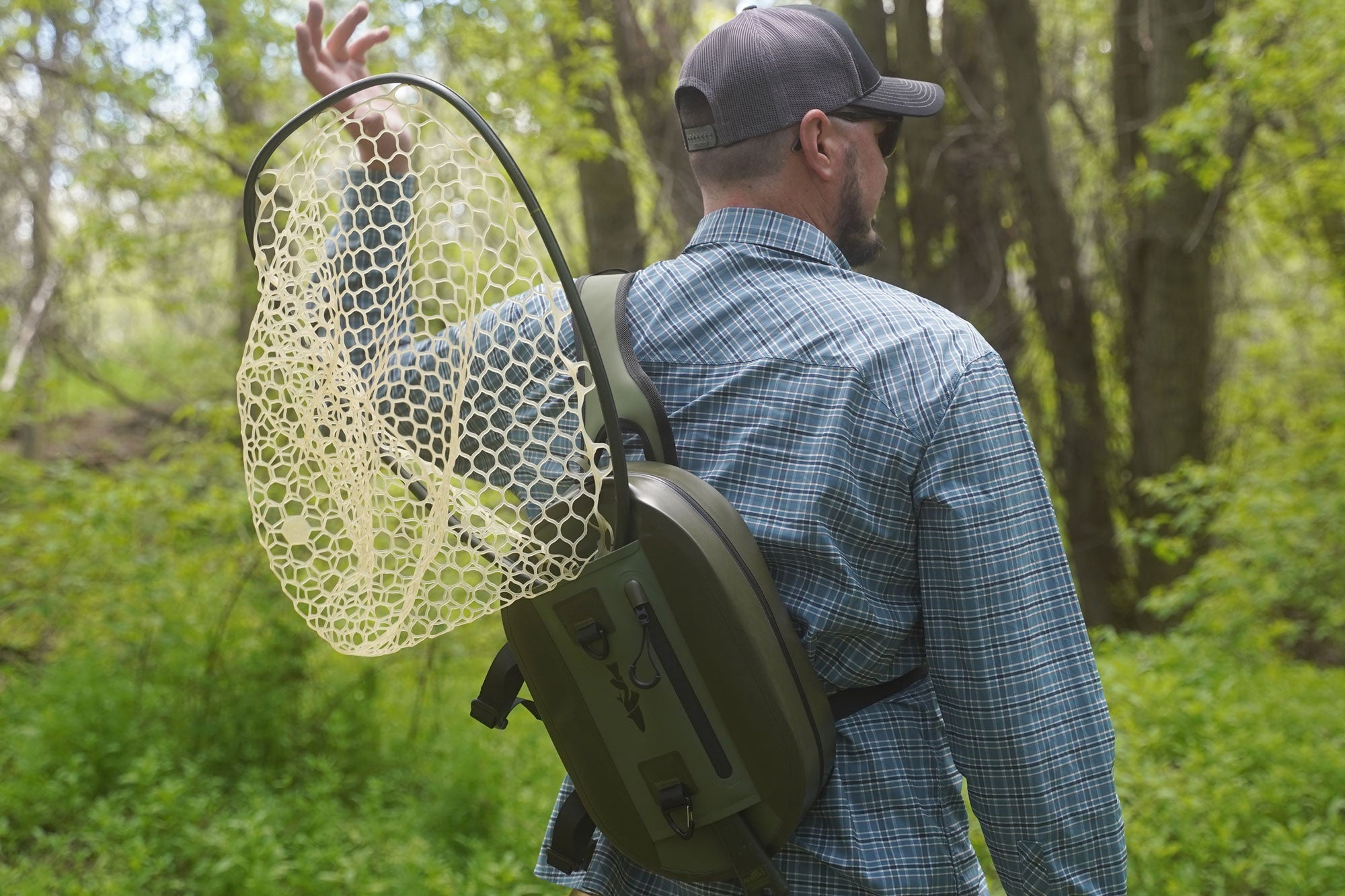
The reliable setup is a rod holder on the backpack and a quick-connect chest mount that screws into the base of a mirrorless camera and clips onto the pack's chest strap - a twenty to thirty dollar part. That keeps the camera ready at the moment something happens, which is invariably right after you put it away. Everything else lives in a submersible dry bag, with spare batteries and memory cards, and a small folding solar panel will put a partial charge back on a battery over a day of hiking or from the bank.
Key takeaways
- Fish inlets, outlets, and rock slide or log structure first on any alpine lake.
- Strip a tungsten-beaded balanced leech in short erratic pulls instead of suspending it.
- A pack raft weighs a fraction of a paddle board and opens shoreline with no trail to it - carry a patch kit and a satellite messenger.
- Use published alpine lake guides plus stocking records and 3D mapping apps to pick a lake before hiking to it.
- For bull trout, run twelve-inch streamers on a weighted line and lob cast them rather than casting overhead.
- A chest mount that clips to a backpack strap costs twenty to thirty dollars and lets you keep the camera ready without stopping fishing.