
Short answer: match the reel to your rod weight so it holds the right backing and line, check the reel foot seats properly, and don't obsess over balance — the weight changes the moment you spool it anyway. Line capacity is the one that can render a reel useless if you get it wrong.
The synergy between your rod and reel is a critical factor for a successful outing. Choosing the right size and ensuring compatibility isn't just a technicality — it's a necessity. Here's what matters and why.
Size matters: matching reel to rod
Your reel size should be in harmony with your rod, for several reasons.
- Efficient casting. The right size ensures weight distribution is balanced, making casting more efficient and less tiring. We call it balance, but it's as much feel as it is physics. Keep in mind that the weight changes depending on the grain weight of your line, so don't try to be exact.
- Line management. Reel size affects how much and what type of line you can carry. Big game rods with a larger arbor will require 350+ yards of backing and a heavier grain line — make sure the reel accommodates it.
- Aesthetic and feel. A reel that matches the rod maintains the aesthetic integrity and overall feel of the outfit. You heard me. Look good, feel good. Confidence is key.
Compatibility: beyond size
Compatibility goes well beyond size. It's about how the reel works with your rod in terms of weight, line capacity, and the type of fishing you're doing. Choosing haphazardly leads to regret in a number of ways, so take your time and do your due diligence.
Weight ratio
Reel and rod should have a balanced weight ratio for comfortable handling and effective casting. It doesn't sound like much, but it keeps you from tiring later in the day. Not a problem on day one — day nine of a ten-day trip is a whole other story.
Backing and line capacity
The reel must accommodate sufficient backing and fly line for the rod's weight and the species targeted. I'm mentioning this again because it's so critical: a mistake here can render a reel useless.
Worth reading alongside this: Understanding Fly Fishing Lines covers the AFFTA grain weight chart, which is what tells you the line weight your rod actually takes. See also leaders and backing.
Reel seat and foot
Make sure the reel seat and foot are compatible with your rod to avoid wobbling or misalignment. This is rare, but possible. On a small-species setup you can often get away with it. On anything over 20 inches it can lead to complete failure — damage to your rod, reel, line, and yourself. Don't take it lightly.
The benefits of getting it right
- Enhanced control. A well-matched reel and rod offer better control over casts and line management. A rod badly out of balance with its reel hinders your casting motion or tires you out, and both reduce line and fly control.
- Reduced fatigue. Proper balance means longer, more enjoyable sessions — see the ten-day trip example above.
- Versatility. A compatible reel adapts to various conditions and techniques. This matters most if you intend to use the same reel across multiple rods.
Why these factors are important
- Maximising efficiency. The right size and compatibility make each cast count. Fast and efficient usually leads to results, and results lead to good times.
- Minimising equipment stress. Properly matched gear reduces stress on rod, reel, and line, prolonging the life of all three.
- Improving catch rates. A balanced setup improves your ability to cast, handle, and land fish. Catching fish is why most of us got into this, so keep that in mind.
The simplest way to guarantee compatibility
Buy them matched. A rod and reel combo removes every question raised in this article — the reel is sized to the rod, the line is the right weight, and the foot fits the seat. The Genesis and 23PS cover trout, the Goliath steps up for bigger water, and the 23PS Nymph is built for nymphing.
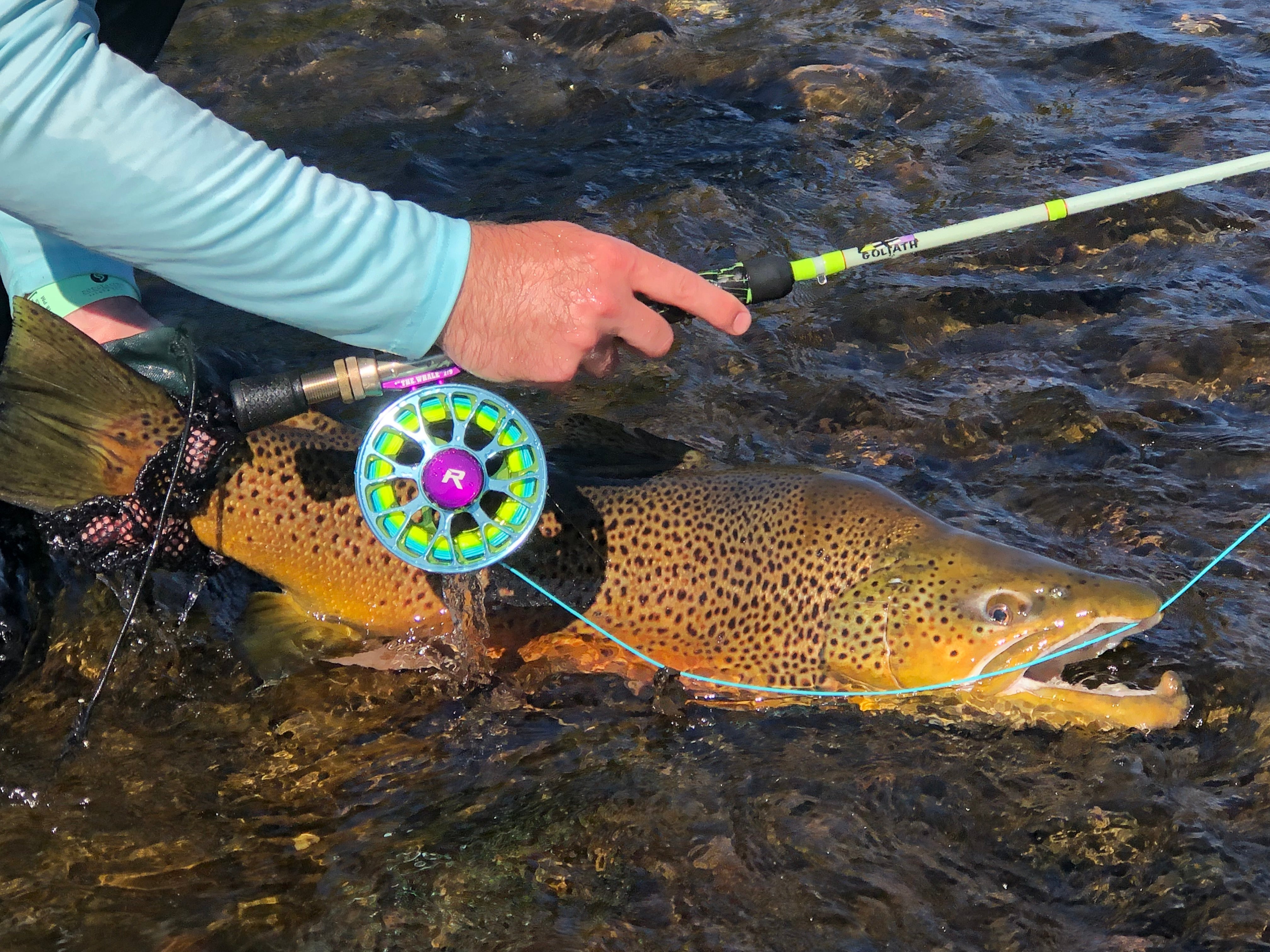
Building it yourself? Match by weight: the WLR for 1/3, the Moonlit Eclipse from 2/4, the Armor II and Gideon across 3/4 to 7/8, and "THE WHALE" for 7/9 up to 12/14 where backing capacity genuinely matters.
The bottom line
Size and compatibility are as crucial as the skill you bring to the water. They're the foundation of the fishing tool you're building for your particular experience. Attention to these factors ensures your gear works in harmony, and in fly fishing the right match is one key to unlocking the true potential of your equipment.
The rest of the series
- Overall Guide
- Part 1 — Understanding Quality and Price
- Part 3 — Drag Systems
- Part 4 — Arbor Size
- Part 5 — Manufacturing and Construction
- Part 6 — Extra Spools and Versatility
- Part 7 — Lifetime Warranties and Brand
Book the season you actually want
The best weeks on the best water go early. Plan it with Frontiers Travel — don't wait.
Plan Your TripTight lines, everyone!

By Christian Bacasa
Host of the Fly Fishing Insider Podcast
Fly Fishing Insider Podcast Official Website
@flyfishinginsiderpodcast
@dupeafish
Watch on YouTube
Fly Fishing Insider Podcast has a referral partnership with Frontiers International Travel. If you book after being introduced through us, we may receive compensation at no additional cost to you.