
Short answer: die-cast reels are poured into moulds and cost less; machined reels are carved from a solid block and are stronger, lighter, and more precise. Both work. What matters more than the method is whether the reel is over-machined to the point of fragility, and what the spindle and internal parts are made of.
The thrill of fly fishing lies in the harmony between the angler and their equipment. An often overlooked yet vital aspect is how the reel is actually built — and understanding it will change how you shop.
The two construction methods
Die-cast reels
Made by pouring molten metal into moulds. The process allows quick, inexpensive repeatability and is generally more cost-effective. Die-cast reels suit anglers on a budget who still want quality and functionality — though there are areas where this cruder method simply isn't a fit.
Machined reels
Carved from a solid block of material, typically aluminium. Regardless of the alloy, this produces a reel that's incredibly strong and durable, able to withstand harsh conditions. Machined reels are often the choice of serious anglers who demand the best in performance and longevity.
The real advantage is precision across varying axes, which means machined reels can be lighter, designed with fewer limitations, and built from a wider range of materials.
Materials used in reel bodies
- Aluminium — widely used for strength, light weight, and corrosion resistance. Common in high-quality reels.
- Stainless steel — durable and rust resistant. Used in components like bearings and screws.
- Carbon fibre — light and strong, used in higher-end reels and often found in drag systems.
- Graphite — lighter and less expensive than aluminium, used in entry-level and some mid-range reels.
- Plastic — found in lower-end budget reels. Less durable but very affordable.
- Titanium — exceptional strength-to-weight ratio and corrosion resistance, used in some high-end reels.
- Magnesium — a good strength-to-weight ratio, used in some lightweight reels but less common due to corrosion issues in saltwater.
These are chosen for strength, weight, and resistance to the elements — all crucial to performance and longevity.
Don't overlook the spindle and internal parts
The next consideration is the spool spindle and the parts around it. Is the spindle made from a higher-quality material like stainless steel? Are there softer brass parts in the system to minimise wear on the more valuable components?
These are worth researching before purchase. The good news is that failures here would be considered manufacturing defects and replaced under warranty — but avoiding the problem from the start is ideal.
Common spindle materials
- Stainless steel — strong and corrosion resistant, a popular choice for saltwater where durability is crucial.
- Aluminium — lightweight and corrosion resistant, common in freshwater reels. Often anodized for extra strength and colour variety.
- Brass — good corrosion resistance and more affordable, though heavier, which can be a drawback.
- Carbon fibre — extremely light and strong, often used in high-end reels for performance and appearance.
- Titanium — light, exceptionally strong, and corrosion resistant, ideal for fresh and salt. More expensive.
- Plastic or composite — used in budget-friendly reels. Not as durable, but light and sufficient for casual or beginner anglers.
Why construction matters
Durability and longevity
Construction directly impacts durability. A well-built reel withstands years of use and provides better value over time. Get a solid reel and it can last lifetimes.
Performance
Machined reels often provide smoother operation and better balance. Peace of mind is the better value for me — I don't want to be thinking about potential equipment failure. Performing the job is a baseline necessity, in my opinion.
Aesthetic value
Construction affects the look and feel, and a beautifully crafted reel adds to the pleasure of the sport. But be cautious of over-machining. More and more reels are machined to the point where the material removed costs them real durability — they look superb and dent on the first hard knock.
Adaptability, weight, and balance
Depending on construction, some reels are better suited to particular fishing — saltwater, or heavy-duty freshwater. Construction also influences weight and balance, which affects casting accuracy and fatigue over a long day.
Investment in quality
Choosing a reel based on its construction is an investment in quality. A well-made reel can be a lifelong companion offering consistent performance.
Reels we carry
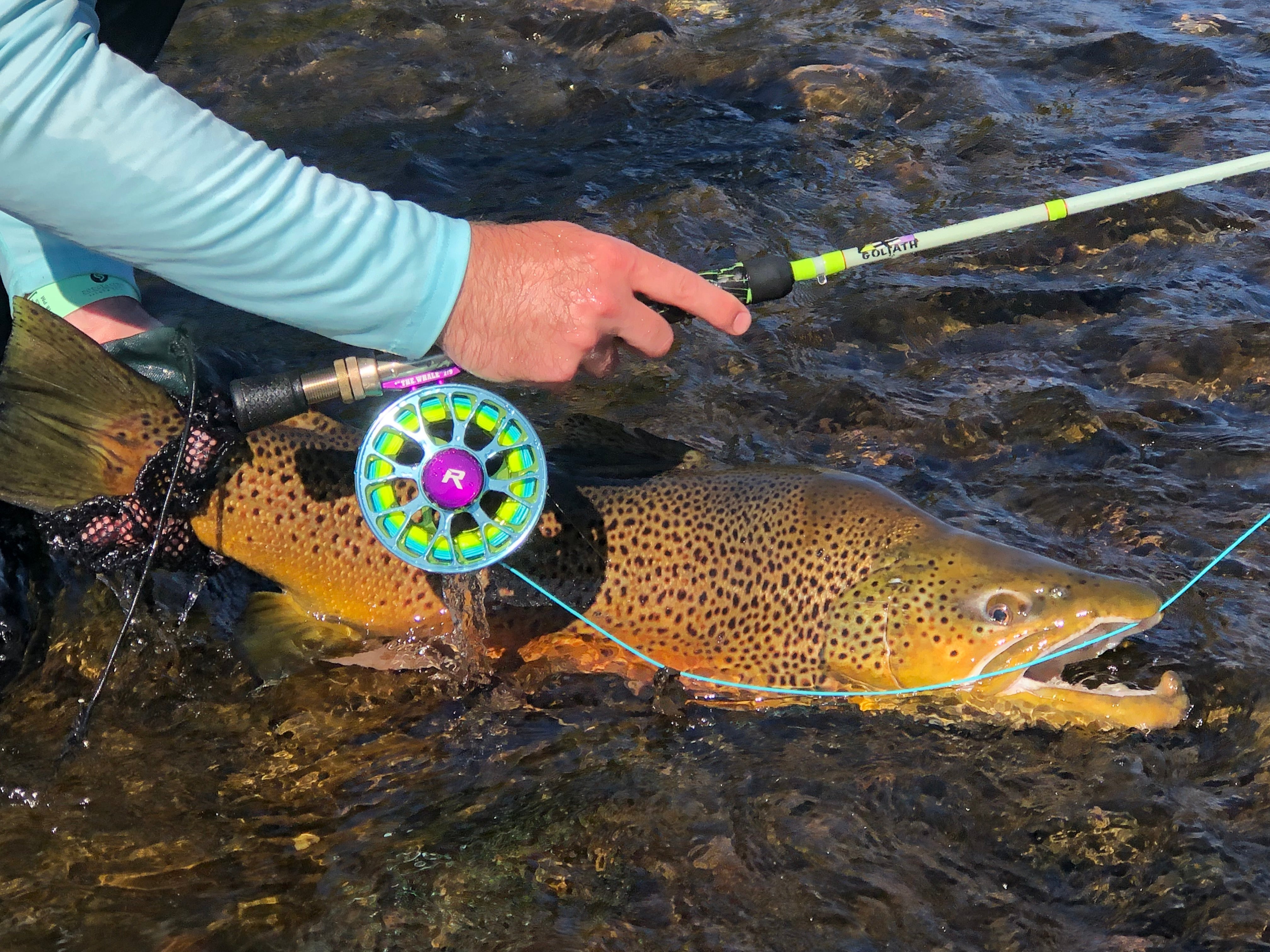
Applying the above: the Armor II and Gideon cover 3/4 through 7/8 with proper anodized finishes, the Moonlit Eclipse runs 2/4 to 7/8, and the WLR is a dedicated 1/3 weight. For saltwater, where material choice and corrosion resistance genuinely decide the reel's lifespan, "THE WHALE" covers 7/9 to 12/14.
Anodizing is a large part of what protects all of it — read The Anodization Process and Why We Do It. See everything in fly rods, reels and combos.
The bottom line
Reel construction is as much about form as function. It's a testament to the craftsmanship behind a tool that elevates your fishing. Whether you opt for the affordability and design flexibility of die-cast, which is common at entry level, or the strength and precision of machined, understanding the nuances is key to choosing a reel that aligns with how you fish.
The rest of the series
- Overall Guide
- Part 1 — Understanding Quality and Price
- Part 2 — Compatibility and Size
- Part 3 — Drag Systems
- Part 4 — Arbor Size
- Part 6 — Extra Spools and Versatility
- Part 7 — Lifetime Warranties and Brand
Book the season you actually want
The best weeks on the best water go early. Plan it with Frontiers Travel — don't wait.
Plan Your TripTight lines, everyone!

By Christian Bacasa
Host of the Fly Fishing Insider Podcast
Fly Fishing Insider Podcast Official Website
@flyfishinginsiderpodcast
@dupeafish
Watch on YouTube
Fly Fishing Insider Podcast has a referral partnership with Frontiers International Travel. If you book after being introduced through us, we may receive compensation at no additional cost to you.