
Carp fly fishing in murky water works when you stop hunting for fish and start hunting for signs: fresh mud plumes, bubble trails, tails, wakes and nervous water. Cast a dark, slow-sinking fly with a touch of flash into or just ahead of the sign, crawl it along the bottom, step up your fluorocarbon tippet, and watch your line.
Almost every carp video you'll ever watch looks the same. Gin-clear water, a golden fish tailing over sand, a perfect cast, a visible eat. It's great content. It's also not the water a lot of us have.
That hit home when I read a Reddit r/flyfishing thread from a brand-new carp angler. He fished semi-clear and brackish water, his nearest fly shop was an hour away, and he wanted to know how to catch carp he couldn't really see. The thread filled up with great sight-fishing advice. Almost nobody answered the actual question. So this one's for him, and for everyone whose home water looks more like chocolate milk than a bonefish flat.
I've had my share of stained-water days too, like a Utah reservoir after a spring windstorm when you can't see your own boots. My buddy Jay taught me the lesson that day. While I stood around waiting for the water to clear, he cast into a faint puff of mud I'd written off, let his fly sink, saw his line jump, and was tight to a carp. He never saw the fish until it was in the net.
Part of our Carp on the Fly series. New to carp? Start with the complete beginner's guide to carp on the fly. This guide picks up where sight fishing leaves off.
Geoff Klane of Brackish Flies, a well-known New England guide, talks about his path as a fly tier, rod builder and guide, and shares some great carp fishing moments from New England, on episode 50 of the Fly Fishing Insider Podcast. Episode page.
- Fish the sign, not the fish. Mud plumes, bubble trails, tails and wakes tell you where a feeding carp is, even when you can't see it.
- Carp are built for dirty water. Common carp find food with taste receptors on their barbels and sense water movement through the lateral line, so a slow fly near the bottom still gets found.
- Brackish water is fair game. Common carp live in fresh to slightly brackish water, including tidal rivers, and tide stage can change when they feed.
- Go heavier and darker. Low visibility lets you use stronger fluorocarbon tippet and flies with a strong silhouette and a little contrast.
- Know when to move. If the water is blown out, look for clearer edges, calmer mornings or spots below a confluence.
Can You Fly Fish for Carp in Murky Water?
Yes, you can fly fish for carp in murky water, and common carp (Cyprinus carpio) are well suited to it. The U.S. Fish and Wildlife Service describes carp as thriving in large turbid rivers, and their own feeding stirs up sediment and makes water cloudier. Muddy water is home for these fish.
The challenge is on our end. Carp fly fishing grew up as a sight-fishing game, and most advice assumes you can watch the fish take the fly. Nic Hall, the Denver urban angler and guide who joined me on episode 229 of the Fly Fishing Insider Podcast, said as much: the key to carp on the fly is seeing your fly and seeing the eat, and murky water makes that a lot harder. He recalled murky-water days when he set on a fish he thought was eating, missed, and watched his fly sail into a tree.
So the problem isn't whether carp will eat in off-color water. They will. The problem is finding them, getting a fly where they'll find it, and knowing when they've eaten it.
How Do Carp Find Food in Dirty Water?
Carp find food in dirty water mainly through taste, smell and touch, not just eyesight. According to a New Jersey Division of Fish and Wildlife article by fisheries biologist Hugh Carberry, carp, like catfish, have thousands of taste receptors along their barbels. The Chesapeake Bay Program describes the barbels at the corners of the mouth as sensory organs and notes that carp feed by sucking up mud, spitting it out and picking out the food while it's suspended.
Fish also have a lateral line, a system of sensory cells that detects water movement and pressure changes. Researchers studying goldfish, a close carp relative, found the lateral line even picks up the swirl of small vortices. Think of it like a person feeling their way across a dark room. They can't see the coffee table, but they can feel the edge of it with their shins.
That changes how you fish. A fly that moves slowly and naturally near the bottom, where a carp's barbels and lateral line are working, has a real chance. A fly ripping through mid-water is easy to miss and doesn't behave like food. Nic also pointed out that prey doesn't swim toward a predator, so never pull your fly at a fish's face, even one you can only guess at.
Can Carp Live in Brackish Water?
Yes, common carp can live in brackish water, though they are a freshwater fish at heart. The Chesapeake Bay Program lists common carp in fresh to slightly brackish water throughout the Bay watershed. The U.S. Fish and Wildlife Service risk screening notes carp have been captured in U.S. waters with salinities as high as 17.6 parts per thousand, and in brackish marshes in southern France up to 14 parts per thousand. For comparison, open ocean water runs around 35.
In practice, that means the tidal rivers, marsh creeks and upper estuaries where fresh and salt water mix can hold carp. That's the kind of water the Reddit angler was fishing, and it's the world Geoff Klane knows well. His company is literally called Brackish Flies, and he shared stories from New England carp fishing when he joined us on episode 50.
Two quick notes. First, brackish water is almost never clear, so everything in this guide applies. Second, tidal water can sit right on the line between freshwater and saltwater rules, so check which license and regulations apply before you go.
Do Tides Affect Carp in Tidal Rivers?
Tides can have a big effect on when and where carp feed in tidal rivers. Connecticut guide Rowan Lytle told Outdoor Life that tidal carp feed heavily on a rising tide, when water floods shallow mud flats that sit exposed at low tide. At low tide, he said, carp tend to pull back into deeper holes and main channels, where they're easier to find but less willing to feed.
I fish my carp in Utah, where the only tide is the one in my coffee cup, so I lean on anglers who work tidal water for this part. Their pattern makes sense, though. Rising water opens up fresh feeding ground with an escape route to deeper water behind it. For a fly angler, that suggests working the edges of flooding flats and creek mouths on the incoming tide, watching the new water for plumes and tails, and following the fish as they push shallower.
Keep a tide chart for the specific spot you fish, since the timing can shift a lot as you move up a river. And watch how fast the water moves. A strong tidal current behaves more like a river, which changes how your fly drifts.
How Do You Find Carp When You Can't See Them?
You find carp you can't see by reading the signs they leave: mud plumes, bubble trails, tails, wakes, nervous water, moving vegetation and sound. Most of these are covered in our field guide to reading carp behavior, but in murky water they become your main tools instead of backup.
- Mud plumes. A fresh puff of lighter or darker water rising off the bottom is a feeding fish. A fading, drifting cloud is old news.
- Bubble trails. Fine bubbles popping up in a line or cluster can mark a rooting carp. Watch whether the trail moves.
- Tails and backs. In shallow water, a tail or dorsal fin breaking the surface is a gift. Get ready fast.
- Wakes and nervous water. A V-wake or a push on calm water shows a moving fish. Slow pushes are more promising than fast ones.
- Moving vegetation. Reeds or weed tips twitching on a calm day can mean a fish rooting at their base.
- Sound. On quiet mornings, listen for slurps and splashes along the bank.
Pace matters as much as eyesight. Nic said carp have strong hearing and eyesight, so assume a fish you can't see can still sense you. Walk slowly, wade quietly and wear muted colors.
Slow down on soft bottoms. Matt Martin's approach tip from episode 117 matters most in dirty water. Carp over a muddy bottom feel your footsteps and the silt you kick up long before you can see them. Lift your feet instead of dragging them, stop after every step to scan, and close to 15 or 20 feet before you cast. When visibility is poor, that pace is how you get close enough to fish at all.
Where Should You Fish When the Water Is Off-Color?
When the water is off-color, fish the clearest, calmest water you can find, plus the edges and structure where carp feed. Here's where I start.
- Clearer edges. Visibility often varies a lot across one body of water. Protected coves, backwaters and spots away from inflows can be much clearer than the main water.
- Below a confluence. Nic watches USGS gauges in Denver. On his urban water, he said flows above roughly 150 to 200 CFS wash in a lot of murk, so he looks for slower, cleaner water below a confluence. Those numbers are specific to his rivers, but the approach travels well.
- Calm mornings. Flat water makes bubbles, wakes and tails far easier to see. Once the wind comes up, those signs disappear.
- Wind-blown banks. A bank with wind blowing into it can collect floating food and hold feeding fish, and the chop helps hide you. The trade-off is that wave action can cloud that bank further.
- Weed lines and drop-offs. Edges where shallow feeding flats meet deeper water give carp food and a quick escape.
Here's Nic on fishing carp in moving water, which is where a lot of off-color days happen.
And know when to switch spots entirely. If you can't see a single sign after 20 or 30 minutes of watching, move. Blown-out, chocolate-milk water is rarely worth forcing.
| Visibility level | Approach | Fly | Tippet |
|---|---|---|---|
| Clear (you can see the bottom) | Classic sight fishing and drag-and-drop to individual fish | Natural colors, soft hackles, small nymphs | 3X fluorocarbon |
| Stained (about 1 to 2 feet) | Hunt tails, backs and fresh clouds; make shorter casts | Darker nymphs or leeches, maybe a hot spot | 2X to 3X fluorocarbon |
| Murky (under a foot) | Cast into plumes and bubble trails; slow crawl on the bottom | Dark silhouette with a bright head or a bit of flash | 2X fluorocarbon or heavier |
| Brackish or tidal | Work flooding flats and creek mouths on the rising tide | Crayfish and bugger patterns with some weight | 2X fluorocarbon or heavier |
| Blown out | Move to clearer edges, coves or below a confluence | Whatever works in the clearer water | Match the new water |
Fish the water you actually have
Join the FFIP Insiders for carp tactics, new episodes, gear deals and trip intel. Free signup on our homepage.
Sign up freeHow I Actually Fish Carp I Can't See
This is the routine I use when the water is stained and the fish are hidden.
- Check conditions first. Look at the gauge, the wind and the tide chart if it applies. Pick the clearest, calmest option you have.
- Watch before you wade. Give the water five minutes. Look for plumes, bubbles, wakes and tails, and listen.
- Pick a sign, not a spot. Cast to something that says a fish is there. Blind-casting to empty water in a murky lake is a long day.
- Hit the edge of the cloud. Put the fly just beyond the fresh edge of a plume or ahead of a moving bubble trail, so it settles where the fish is heading.
- Let it sink, then crawl. Let the fly reach the bottom, then move it with slow, short strips. Pause often.
- Watch your line. Keep your rod tip low and the line straight. Any twitch, stop or sideways slide can be an eat, so tighten with a firm strip set.
- Rest and move. After a fish or a spook, rest the area. If nothing shows in 20 or 30 minutes, find new water.
If you can see a fish's position but not its head, the drag-and-drop method still works, and our guide to leading cruisers and spotting the eat covers placement in more detail.
Should You Use an Indicator for Blind Carp Fishing?
A straight line is usually the better choice for blind carp fishing, because a drifting indicator rig often snags carp instead of hooking them in the mouth. Nic Hall made this point on episode 229. If you drift an indicator and a worm pattern through a seam the way you would for trout, you might hook carp, he said, but you're more likely to snag them as the fly runs through, because a fly coming straight at a feeding carp's face makes it move out of the way.
I take that seriously. Foul-hooking a fish isn't the goal, and many anglers release any fish not hooked in the mouth. Check your local regulations too. My preference is a straight line and a slow crawl, so I control where the fly sits and can feel or see the take.
If you do use an indicator, keep it small and light and use it to mark depth and the location of your fly in stillwater, with the fly sitting nearly still near the bottom. Don't drift it through pods of fish. If the indicator starts moving sideways, that's often your eat.
Advanced Tactics for Low-Visibility Carp
Once you have the basics, these small details add up.
Keep Your Flies Clean
With taste receptors on their barbels, carp sample what they find. I try to keep my flies free of sunscreen and bug spray, and I handle them with clean hands. It's a small habit that costs nothing.
Choose Silhouette and a Little Contrast
In low light, a dark fly shows up as a clear shape. A small hot spot or a touch of flash helps too, and not only for the fish. Nic said that in murky water he switches to chartreuse flies because they stand out, so he can see the fly and the carp can find it. Try a dark fly with a bright head, and switch if the fish show you they want something else.
Step Up Your Tippet
When visibility drops, carp have a harder time seeing your leader, so you can fish stronger tippet. Nic said he started with lighter tippet and lost fish to snags and obstacles, then moved up to 20-pound fluorocarbon and found carp weren't very leader-shy when the presentation was right. He favors fluorocarbon because it sinks and handles abrasion. For a full leader breakdown, see our carp fly rod setup guide.
On a murky day, I treat the carp's feeding cloud like a campfire in the dark. I don't need to see the person sitting by it to know where they are. Put the fly on the near edge of the glow, let it settle, and be patient.
One side note: if your murky water holds grass carp (Ctenopharyngodon idella), they feed very differently from common carp. Our grass carp vs. common carp guide explains the difference.
Flies and Tippet for Murky and Brackish Carp Water
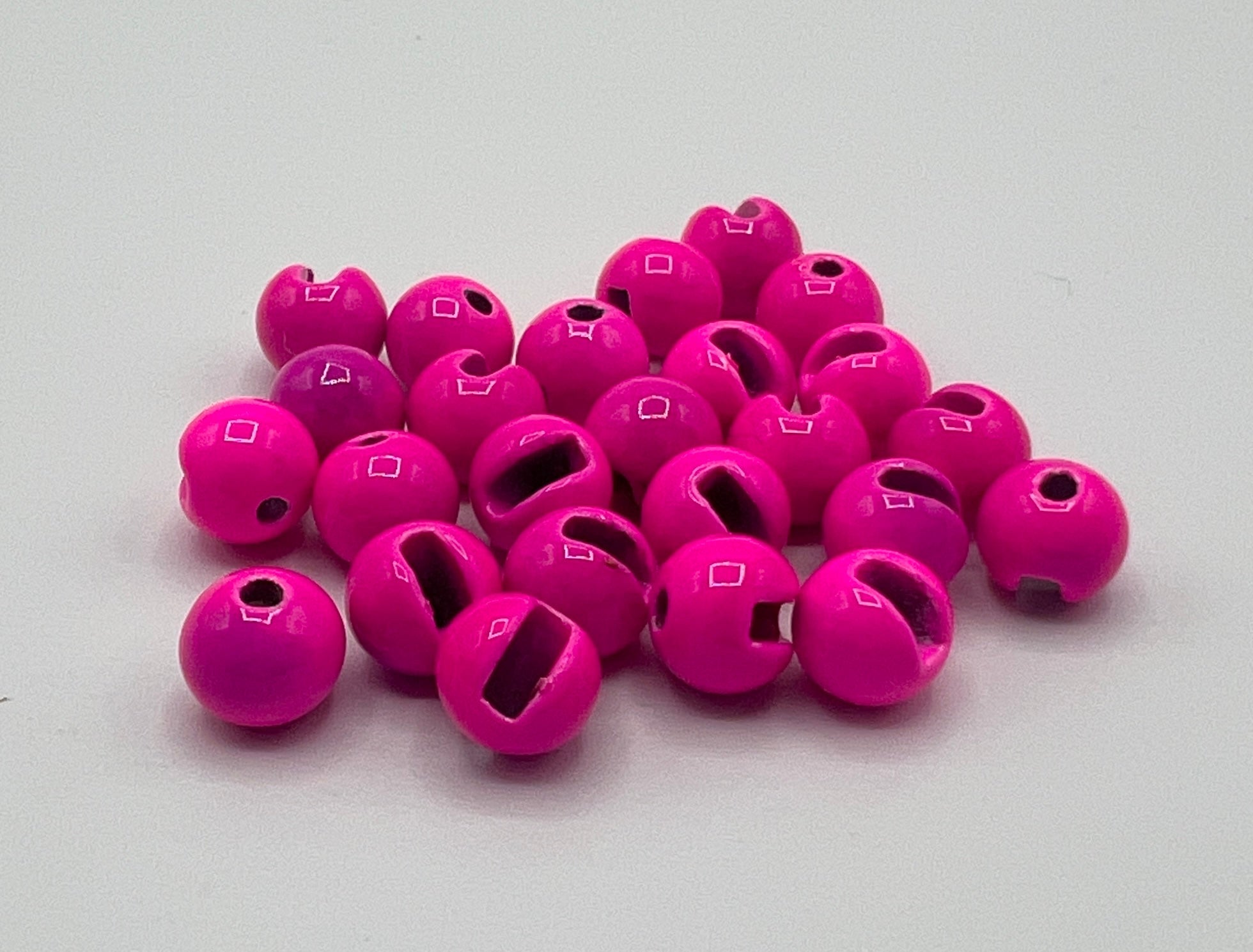
For stained and brackish water, I want flies that get down, hold a clear silhouette and look like the crayfish and critters carp root for, plus tippet strong enough to pull fish away from snags. Here's what I'd grab from our shop. You'll find more options in the fly patterns collection.


Frequently Asked Questions
Can carp live in saltwater?
Common carp live in fresh and slightly brackish water, not full saltwater. The U.S. Fish and Wildlife Service reports carp captured in U.S. waters at salinities up to 17.6 parts per thousand, about half the salinity of seawater.
What color fly is best for carp in muddy water?
For carp in muddy water, a dark fly with a strong silhouette and a small bright hot spot or bit of flash is a good start. Nic Hall of episode 229 switches to chartreuse in murky water so both he and the fish can see the fly.
How do you know when a carp takes your fly if you can't see it?
You know a carp took your fly when your line or leader twitches, stops, or slides sideways. Keep your rod tip low and your line straight, and answer any movement with a firm strip set.
What tide is best for carp fishing?
A rising tide is often best for carp in tidal rivers. Connecticut guide Rowan Lytle told Outdoor Life that carp feed heavily as rising water floods shallow mud flats, then retreat to deeper channels at low tide.
Should I fish an indicator for carp?
A drifting indicator rig often foul-hooks carp, so most blind carp fishing is better done with a straight line and a slow crawl. If you use an indicator, use a small one in stillwater with the fly sitting nearly still near the bottom.
What tippet should I use for carp in murky water?
In murky water, use stronger fluorocarbon tippet than you would in clear water, such as 2X or heavier. Carp have a harder time seeing the leader, and the extra strength helps you keep hooked fish out of snags.
Murky water doesn't mean a lost day. It means a different game, one built on patience and reading the small signs a feeding carp can't hide. Brush up on those signs in our carp behavior field guide, get the basics from the beginner's guide, and sharpen your shot placement with where to put the fly.
Tight lines, everyone!
Next in the series: reading carp behavior and the drag-and-drop method. Join the FFIP Insiders for gear deals, trip intel and tactics to help you catch any fish, any time, and anywhere.
Join freeShow us your carp on Instagram @flyfishinginsiderpodcast